Welcome to another installment of the "Watchmaking Basics" series, designed for newcomers to the watch hobby.
Today we will take a detailed look at the differences between in-house and ébauche movements. What is an in-house movement and why does it matter? By the end of this article, you will have a clear understanding and be able to decide if it suits you.
As always in the "Watchmaking Basics" series, I invite experienced readers to share their opinions in the comments. Together, we can make this material as useful as possible for beginners. Let's get started!
What is an In-House Movement?
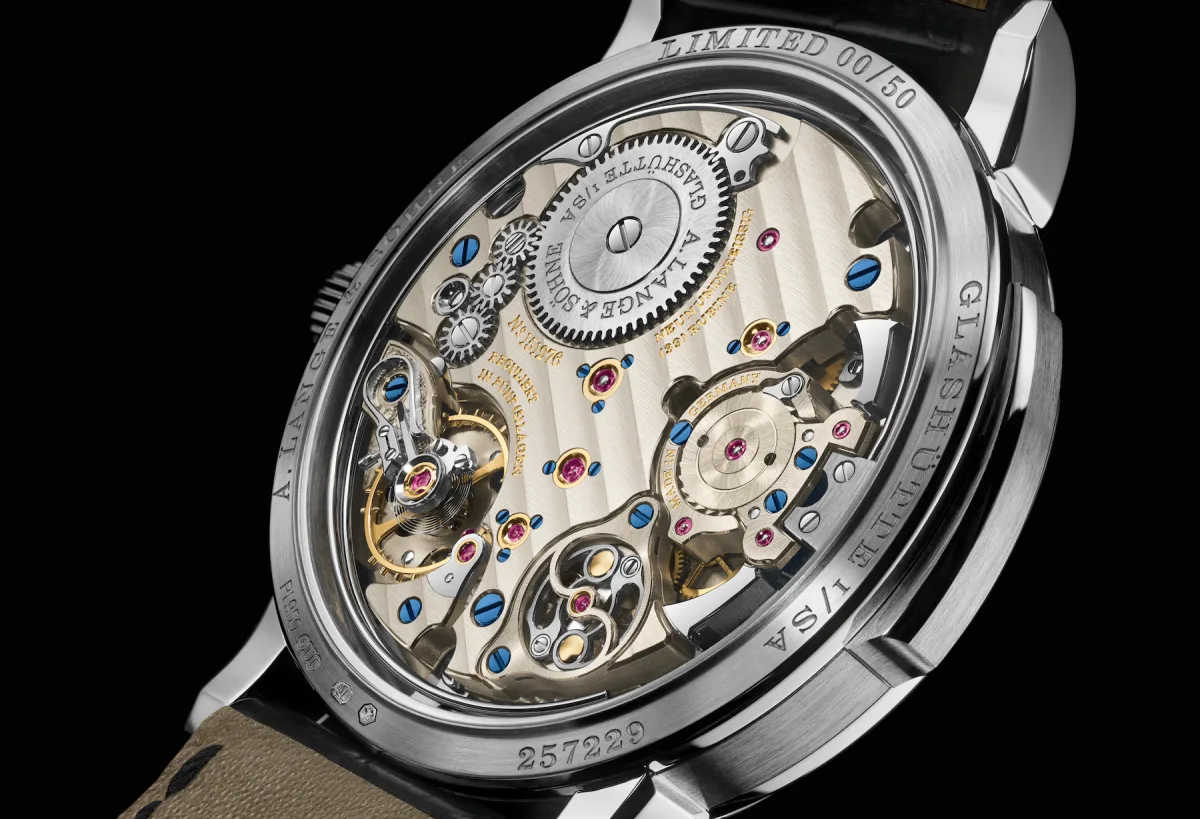
Let's start with a basic definition of an in-house movement. Here, a complication arises, as there is no single standard. Purists consider an in-house movement to be one that is entirely developed, designed, and manufactured by the producer whose name appears on the dial. Such movements are called "in-house" or "manufacture".
However, in reality, it is not so simple. Very few watch brands are capable of producing all components independently. Most purchase individual parts from external suppliers, such as shock absorption systems or, most often, balance springs. This doesn't speak to quality: isn't it better to procure a higher-quality external part than an inferior internal one? Essentially, the distinction is more a mark of prestige for brands capable of producing everything independently.
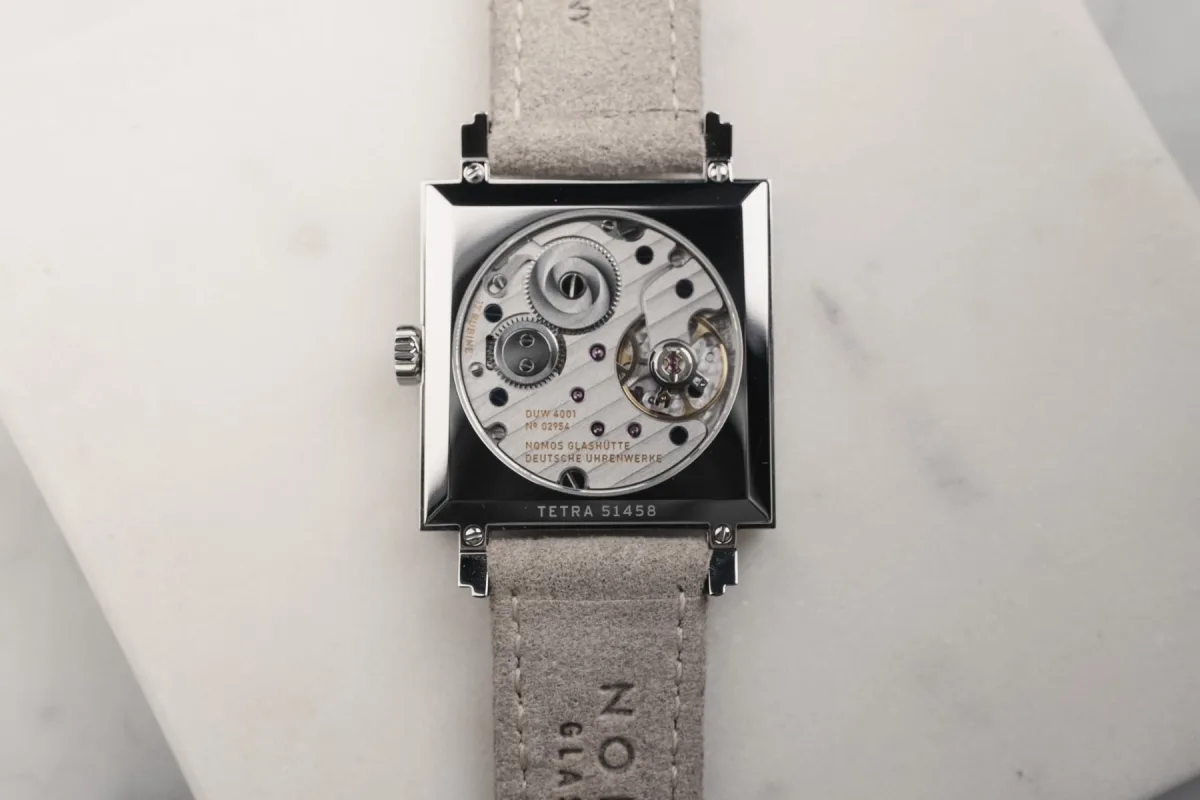
Upon closer examination, the discussion becomes contentious. Where to draw the line between raw materials and a finished part? This is not always obvious. Moreover, if a brand acquires its suppliers, it becomes vertically integrated and increases the degree of internal production. However, this rarely changes the product significantly - except perhaps philosophically.
In-Group and Proprietary Movements
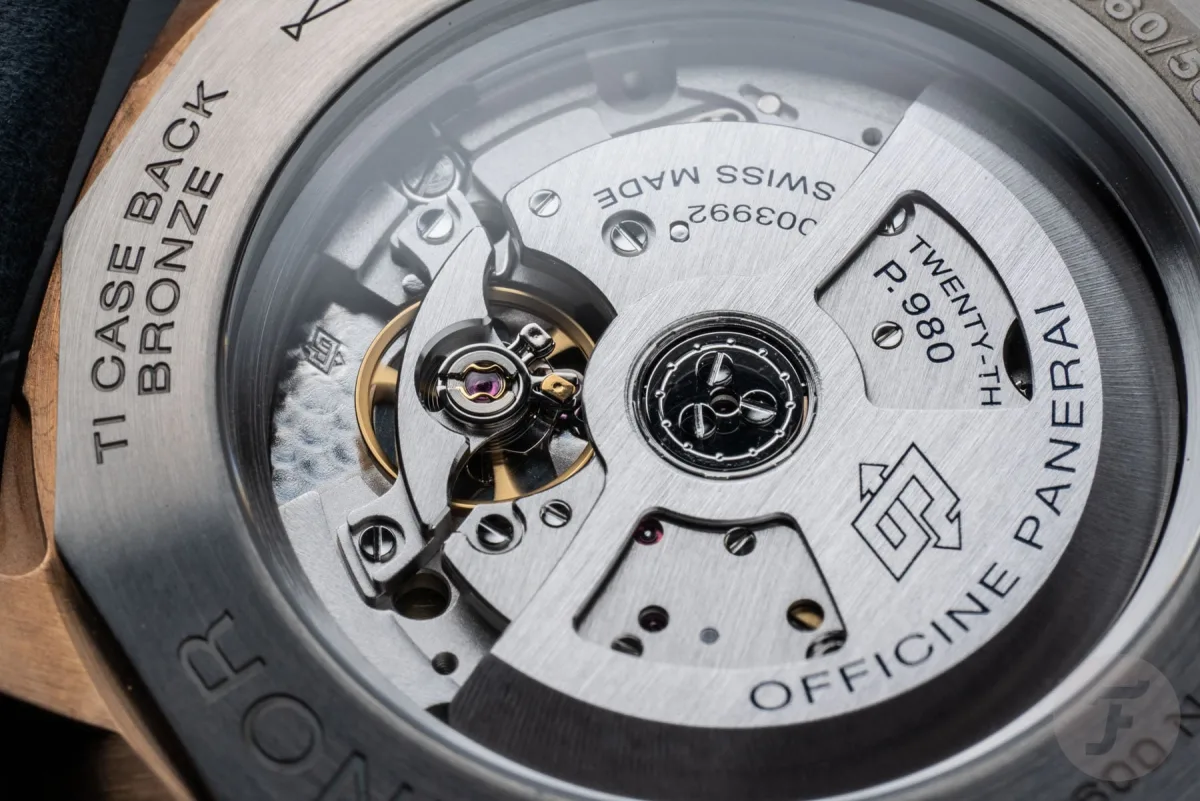
Many major watch brands belong to groups such as Swatch Group or Richemont. These groups often have specialized movement manufacturers. For example, ETA in Swatch Group or ValFleurier in Richemont. These manufacturers produce calibers for several brands within the group. Sometimes calibers receive different names and are partially adapted for a specific brand. Such movements are called "in-group".
Separate from these are proprietary calibers. They are developed or acquired from external manufacturers, but the brand owns exclusive rights to them. There are many variations here: from internal developments with external production to fully external developments executed to the brand's technical specifications.
Ébauche Calibers
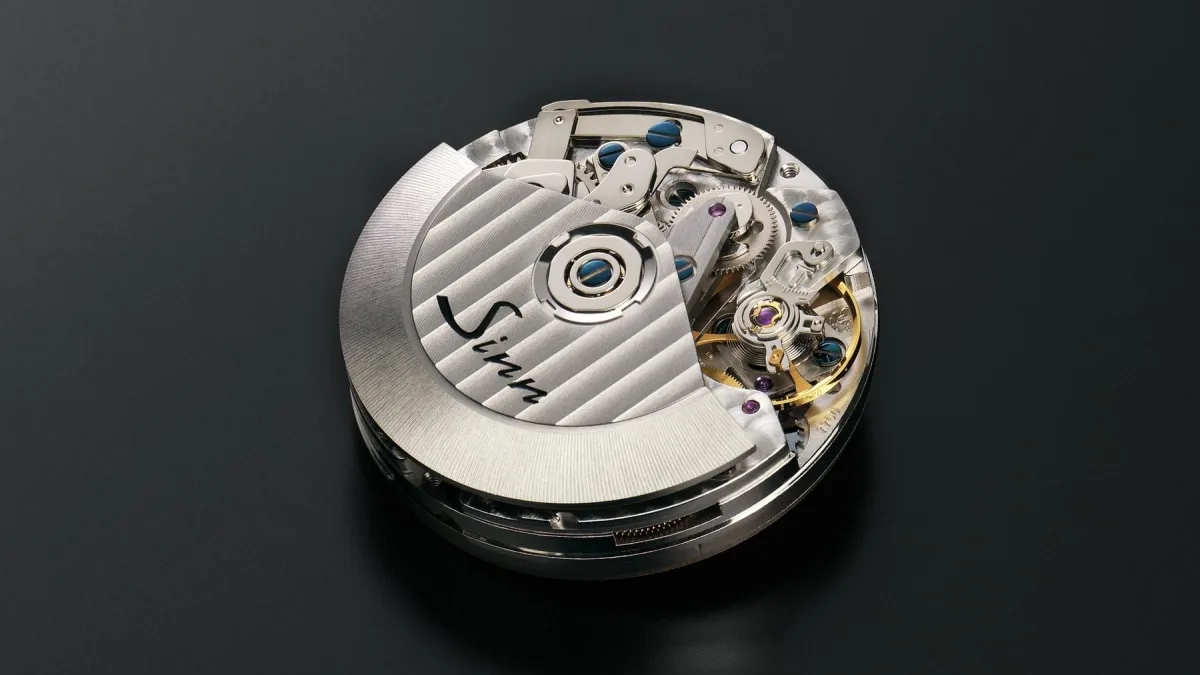
The last category is ébauche calibers. These are movements developed and produced by third-party companies. Simply put, they are standard calibers used by many independent and group brands.
Examples of such manufacturers: Sellita, La Joux-Perret, Miyota, Seiko, Soprod, STP, and others. They often offer brands customization options for greater uniqueness - for example, logo application on the rotor or individual finishing and coating. Some, like Sellita with the AMT project, provide extended customization opportunities, including functional and structural changes.
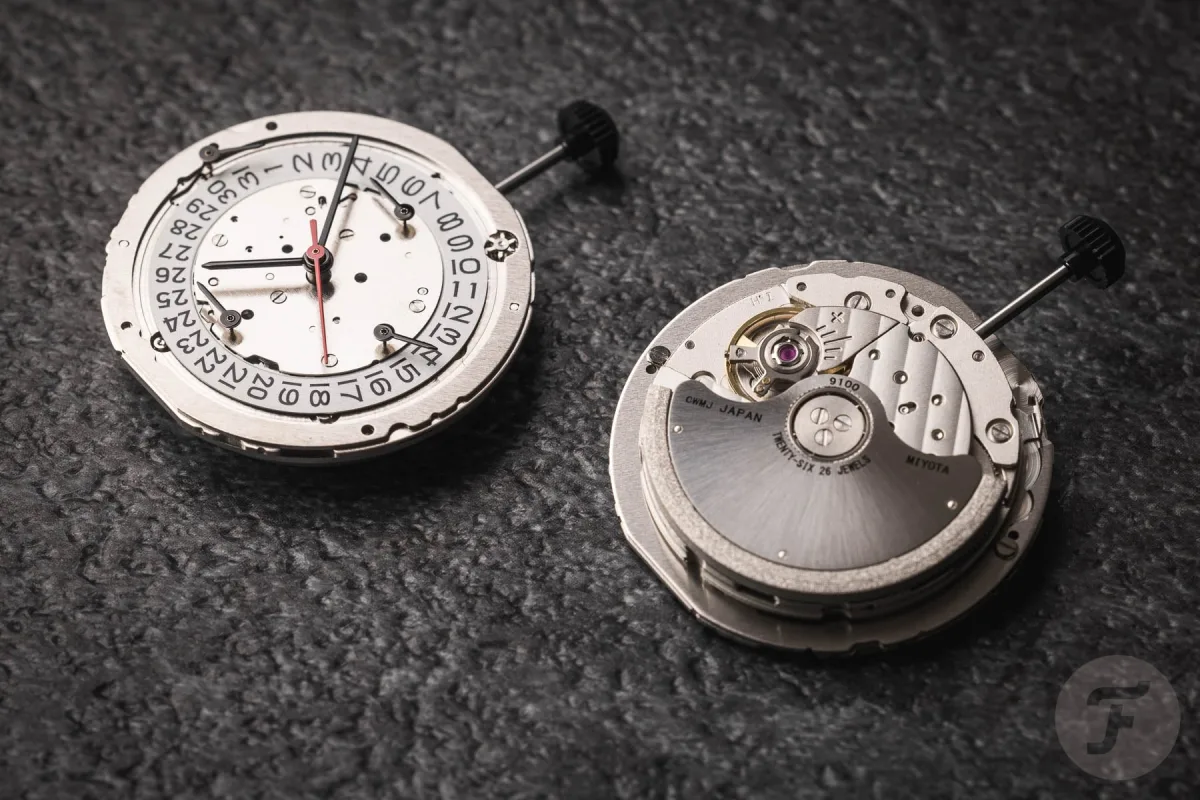
Recently, I published a detailed article about the most popular ébauche calibers on the market. If you want to delve deeper, you can find it through the link. The main advantage of ébauche calibers is proven reliability and mass production. This lowers costs, increases reliability, and simplifies servicing and finding parts. The downside is that they can seem less unique and special.

How to Determine Which Movement You Have?
As seen from the above, it's not always easy to understand whether you have an in-house or ébauche movement. Many brands hide the origin of their calibers. Ébauche movements are often renamed under brand names, creating the impression that they are proprietary.
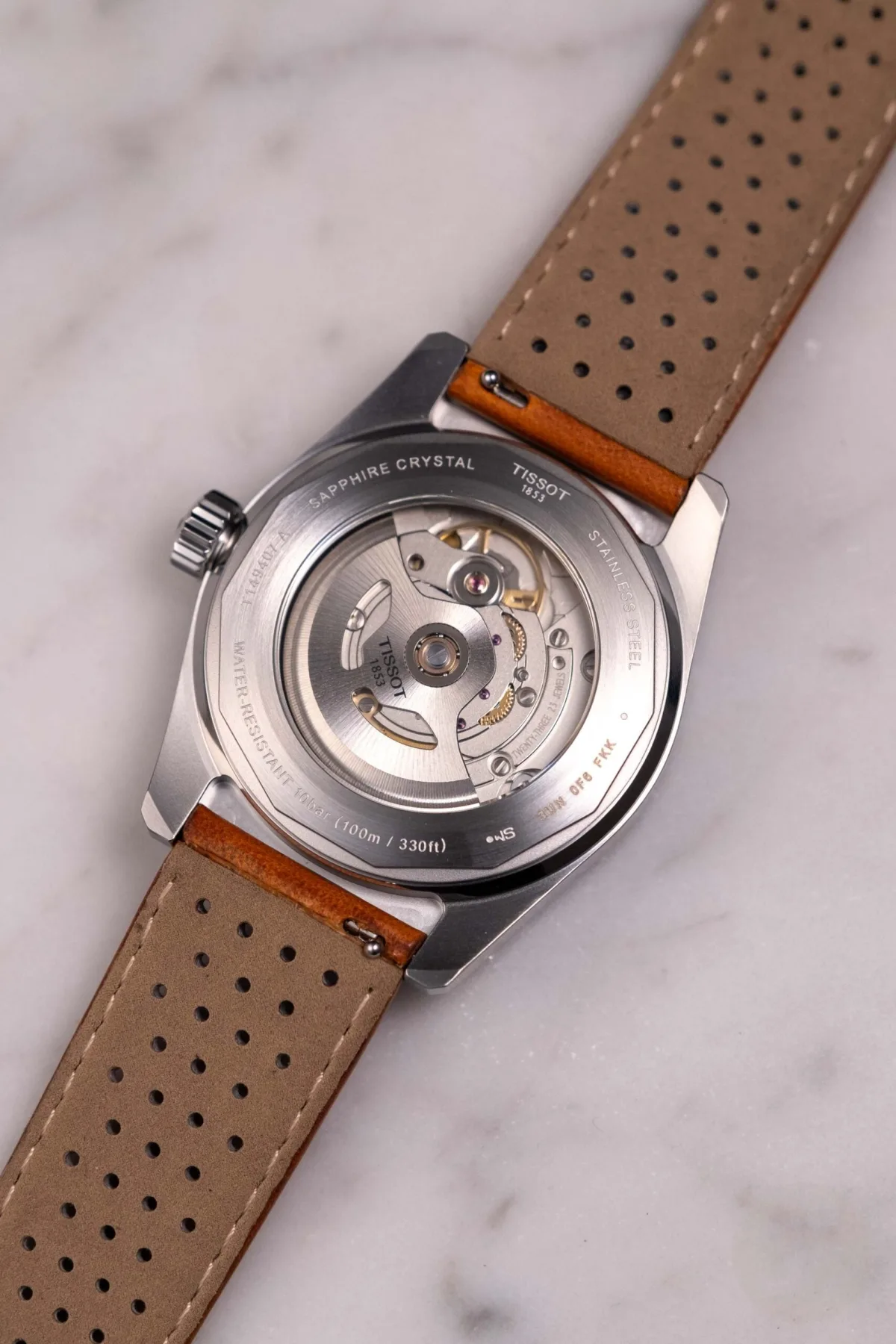
And in-house movements rarely come with explanations about the degree of their "in-houseness" by strict criteria. The bottom line: you will need to do some research. By searching the internet for information on a specific caliber, you can find specialized sites like Caliber Corner or WatchBase where the origin of the movement is listed. For example, the Hamilton H-10 caliber is an in-group movement Powermatic 80.
Which is Better: In-House or Ébauche Movement?
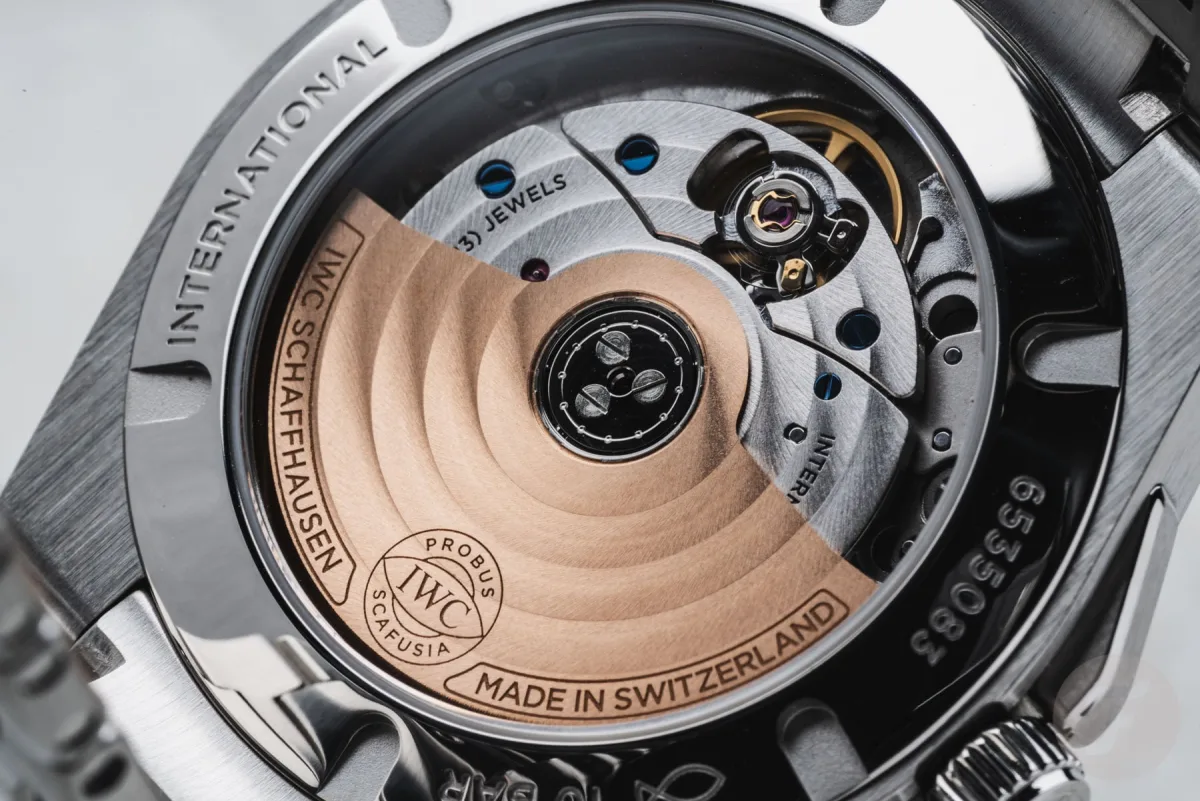
And now the main question: why pay attention to the in-house movement at all? For many brands, it's a matter of prestige. A manufacturer capable of creating everything independently is perceived as more advanced. The movement is the heart of the watch, and one could argue that true watchmaking craftsmanship includes creating one's own caliber.
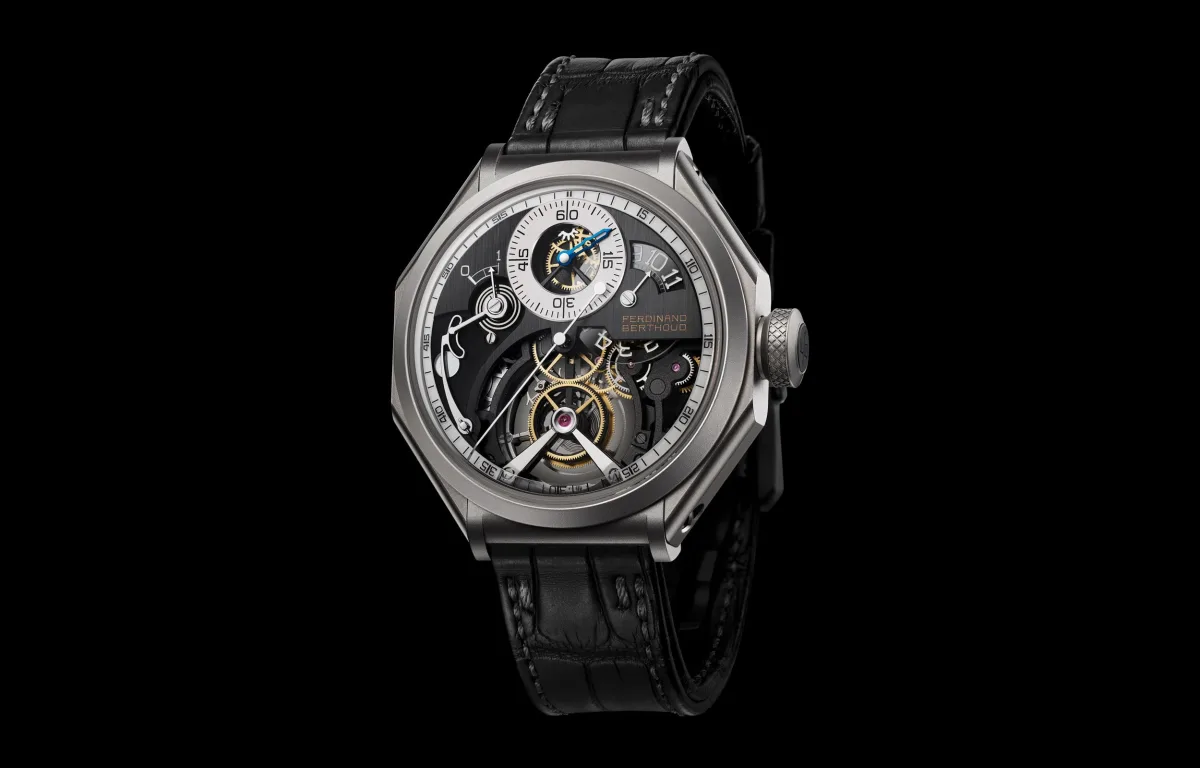
In practice, the choice depends on the type of watch. In high watchmaking segments, a brand's unique solutions and philosophy are reflected in their in-house movements. Why is it interesting to compare chronographs from Patek Philippe and A. Lange & Söhne? Because they represent different approaches to watchmaking art. If both used the same ébauche movements, they wouldn't be placed side by side in collections.

At the same time, for everyday tool watches, this is not as important. Here, design, build quality, reliability, and usability are crucial.

Consequences of Choosing Proprietary or Ébauche Movement
Why are more manufacturers transitioning to proprietary or in-house movements? The answer is ambiguous. Sometimes it provides independence, creative freedom, and the ability to stand out in the market.
In other cases, it's a way to mask real value. Watches with proprietary calibers are harder to compare, harder to assess their value. Moreover, in-house movements often require service at official brand centers, limiting the choice of watchmakers. This is justified for high watchmaking but not always rational for everyday watches.
The degree of "in-houseness" of a movement does not guarantee quality. There are good and bad examples in both categories, even from the same manufacturer.
Conclusion
If I sounded ambiguous, it's because the topic is indeed complex and multifaceted. There is a wide range of reasons and options why brands choose in-house movements. There is both the charm of watchmaking and moments worthy of criticism.
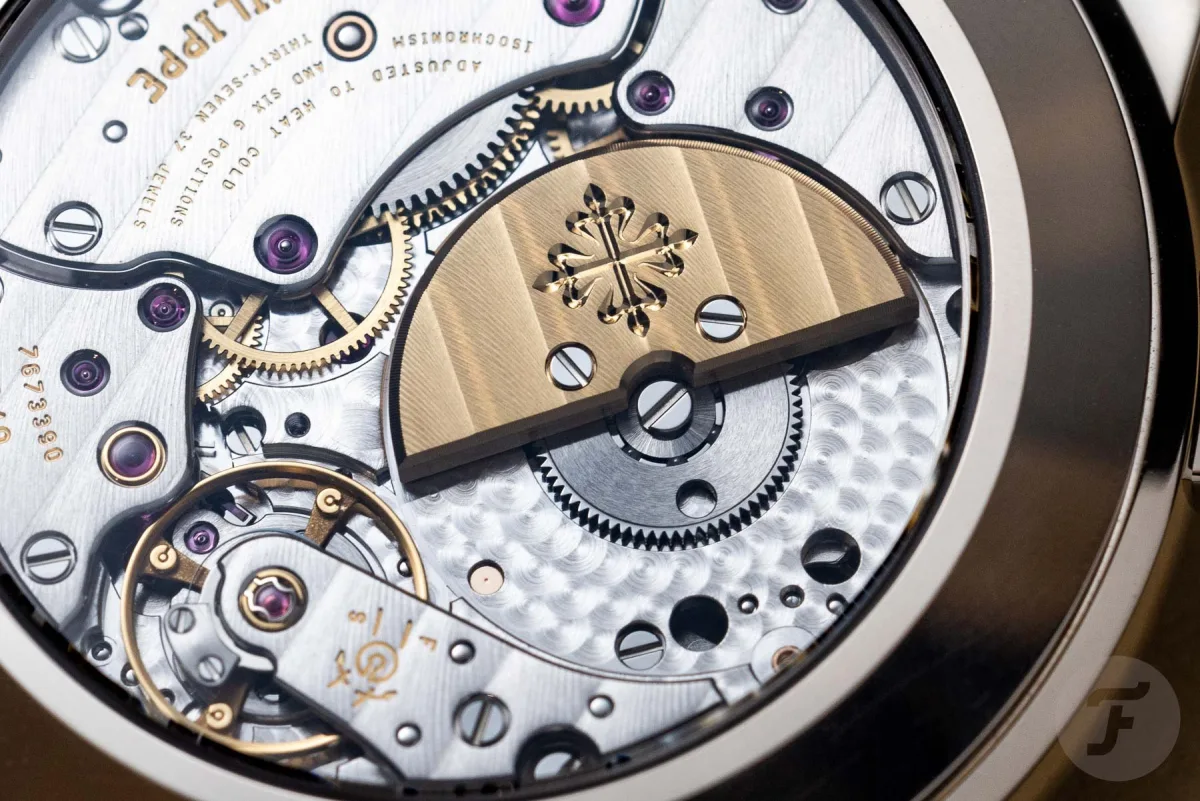
My advice is not to blindly believe in the superiority of in-house movements but to carefully evaluate what suits you. Sometimes you want uniqueness and exclusivity, and other times - the reliability and simplicity of servicing ébauche calibers. With the growing number of watches falling between these poles, one must be more careful when choosing.
What is your opinion on in-house and ébauche calibers? Share in the comments!