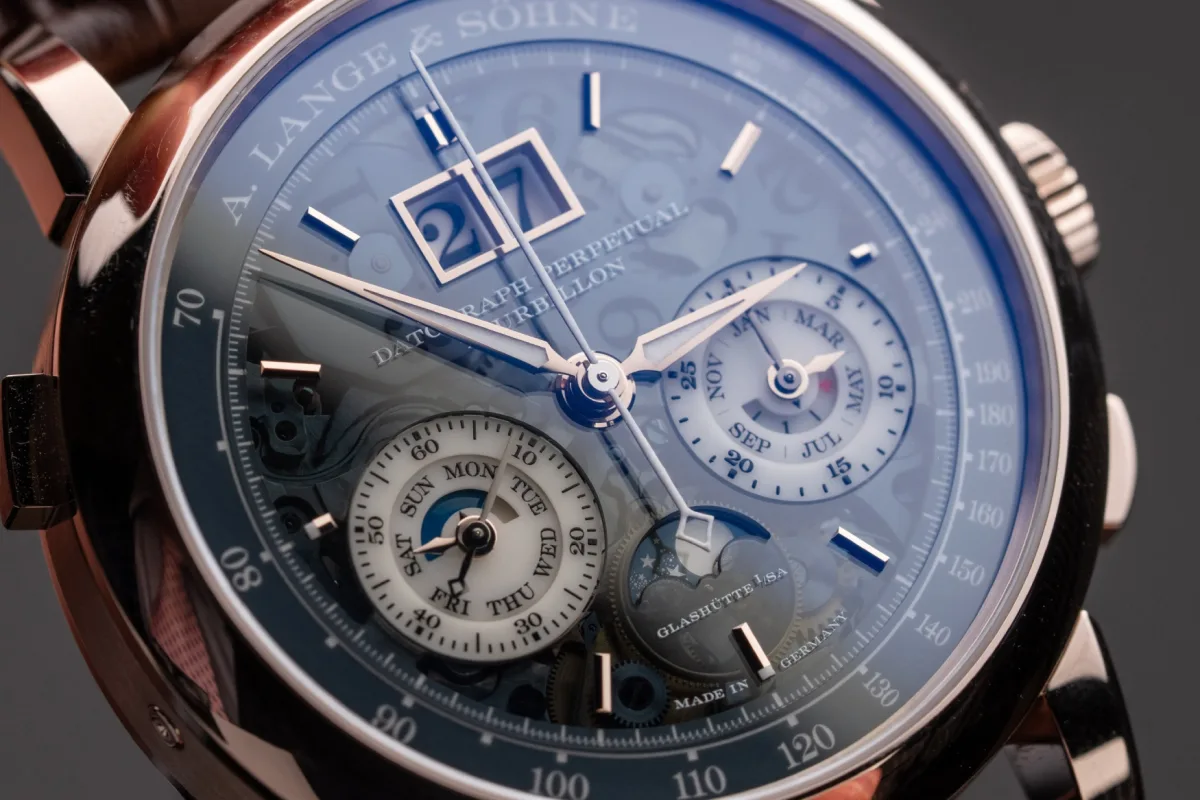
Watch enthusiasts, like us, tend to meticulously study the smallest details, including the diverse styles of watch hands.
We often give them our own names, whether it be patina types on vintage models or recognizable nicknames for specific references. Without knowledge in this area, encountering such terminology can seem daunting. The same applies to hand styles. You've likely heard of Breguet-style hands or noticed that some brands prefer certain styles. With visual examples and brief descriptions, this guide will help you navigate the variety of watch hands.
Before we begin, let me clarify: the list does not cover unique proprietary styles specific to individual brands, such as the recognizable designs of F.P. Journe or Peter Speake. If I've missed something, I'd be happy to hear your comments!
Alpha
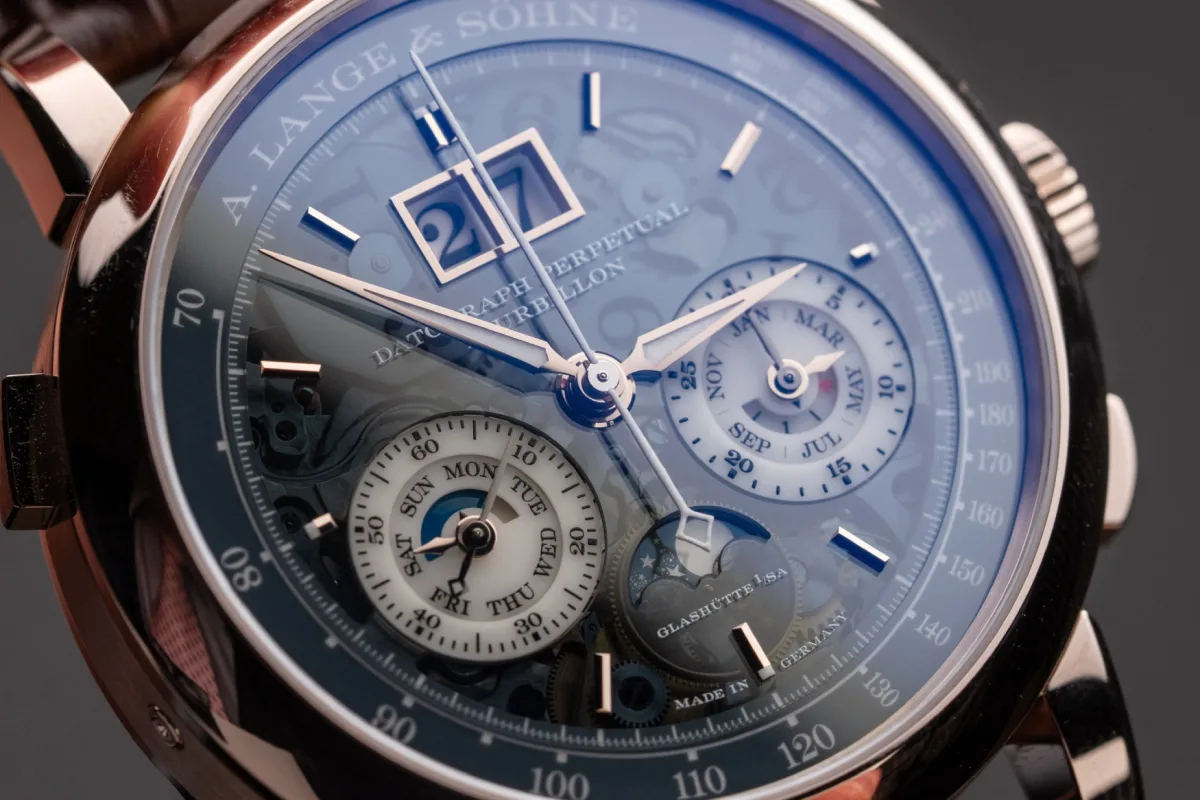
We'll start alphabetically - Alpha hands. An example is the A. Lange & Söhne Datograph. This style is sometimes called "lance," "lancet," or even "spear," although the latter refers to a different category discussed below. Alpha hands are easily recognized by their shape resembling an isosceles triangle with a narrow base at the mounting axis.
Arrow
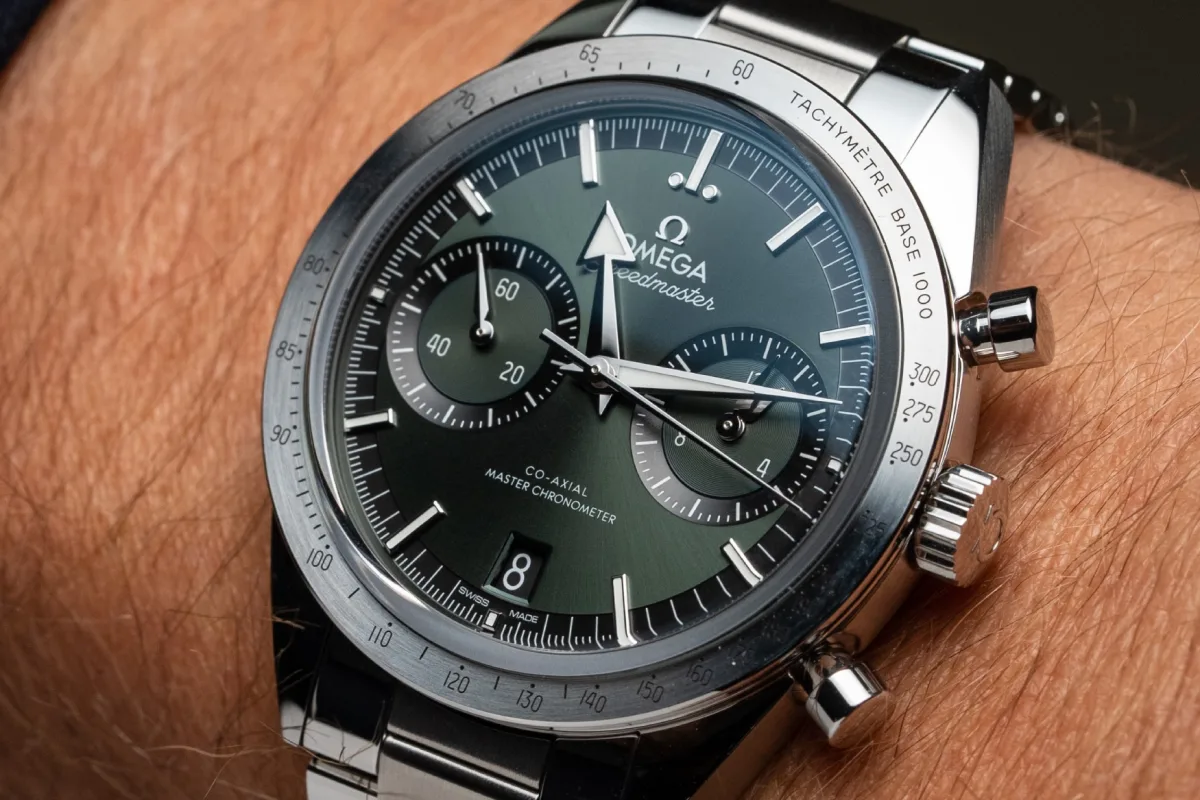
Arrow hands are self-explanatory - at least one of the hands is shaped like an arrow. For example, the minute hand of the Omega Speedmaster '57 technically belongs to the dauphine style, but in the context of Omega, this design is known as "broad arrow," associated with older Speedmaster models. However, the arrow shape is not limited to the hour hand: in the Aqua Terra line, Omega uses arrow-shaped tips on minute hands. Fun fact: the Speedmaster '57 features four hand styles simultaneously. Can you name them all?
Baton
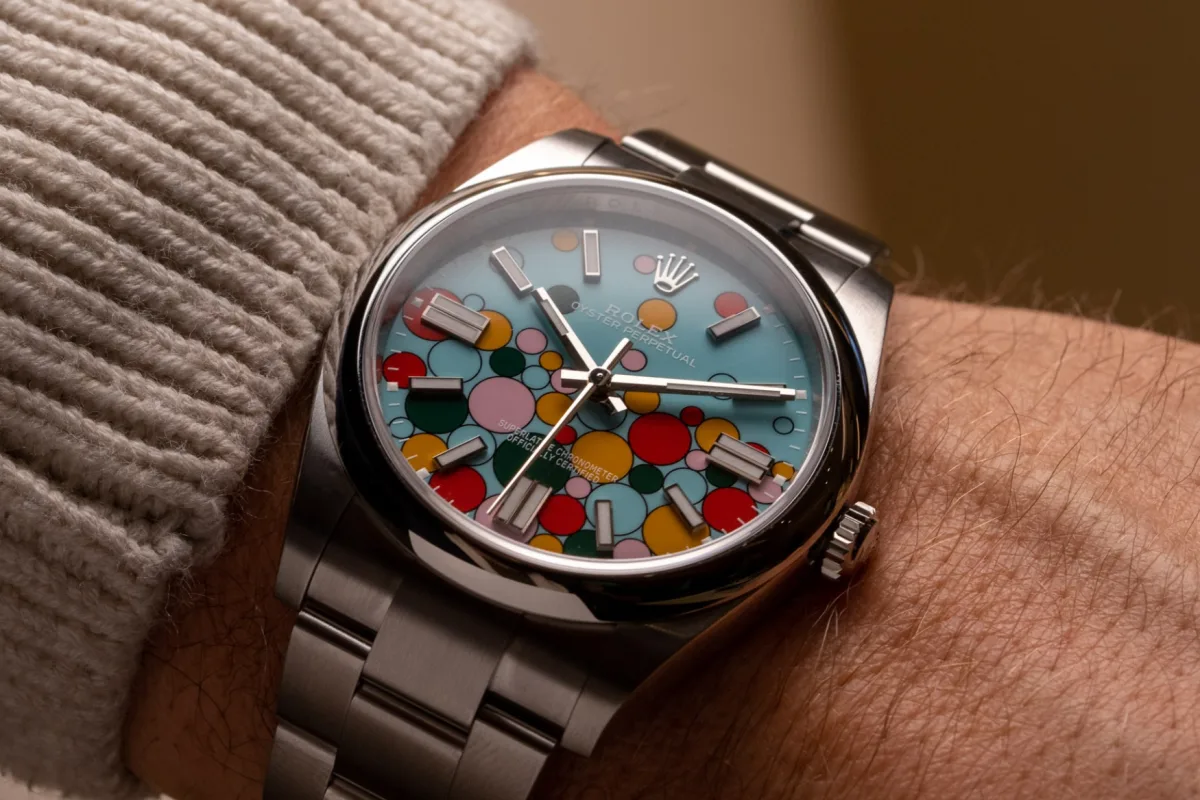
One of the simplest and most common styles is Baton. It can be found in many brands. A classic example is the Rolex Oyster Perpetual, where the hands are paired with simple rectangular indices and often have rectangular sections with luminescent coating.
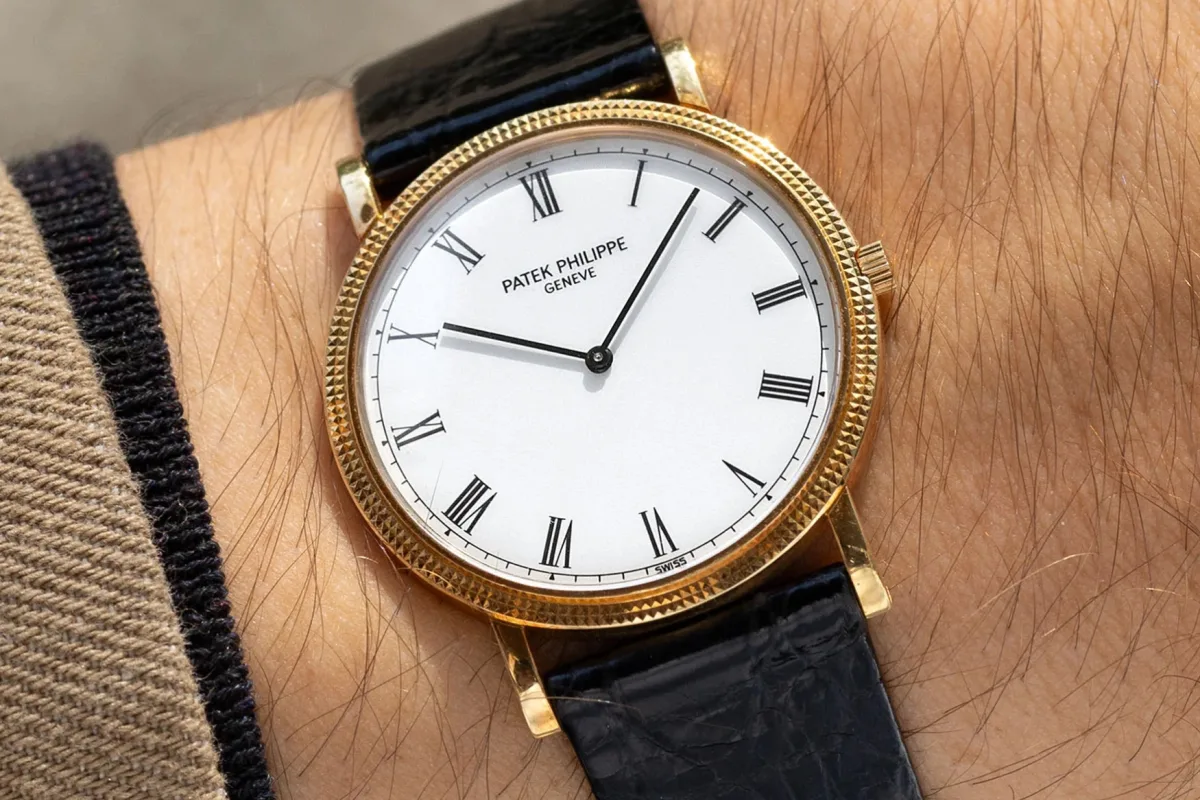
Some describe the hands of the Patek Philippe Nautilus as batons, with wider rectangular hands called "batons" and thinner ones "sticks," although in French "baton" means "stick." A useful fact for connoisseurs.
Breguet
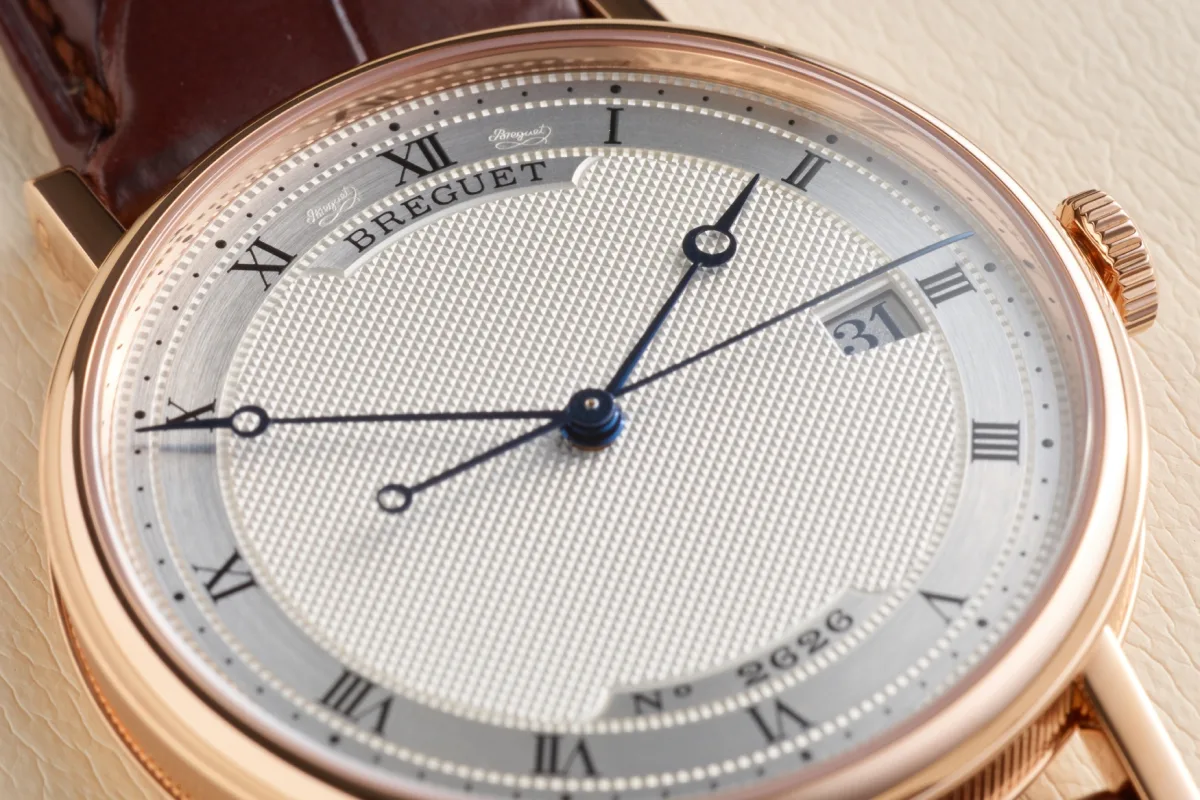
As mentioned earlier, Breguet hands are among the most recognizable. These are thin sticks with crescent-shaped cutouts at the base and elongated tips. They are considered one of the most elegant styles. In the watch world, they are also synonymously called "pomme" or "apple" hands.
Cathedral
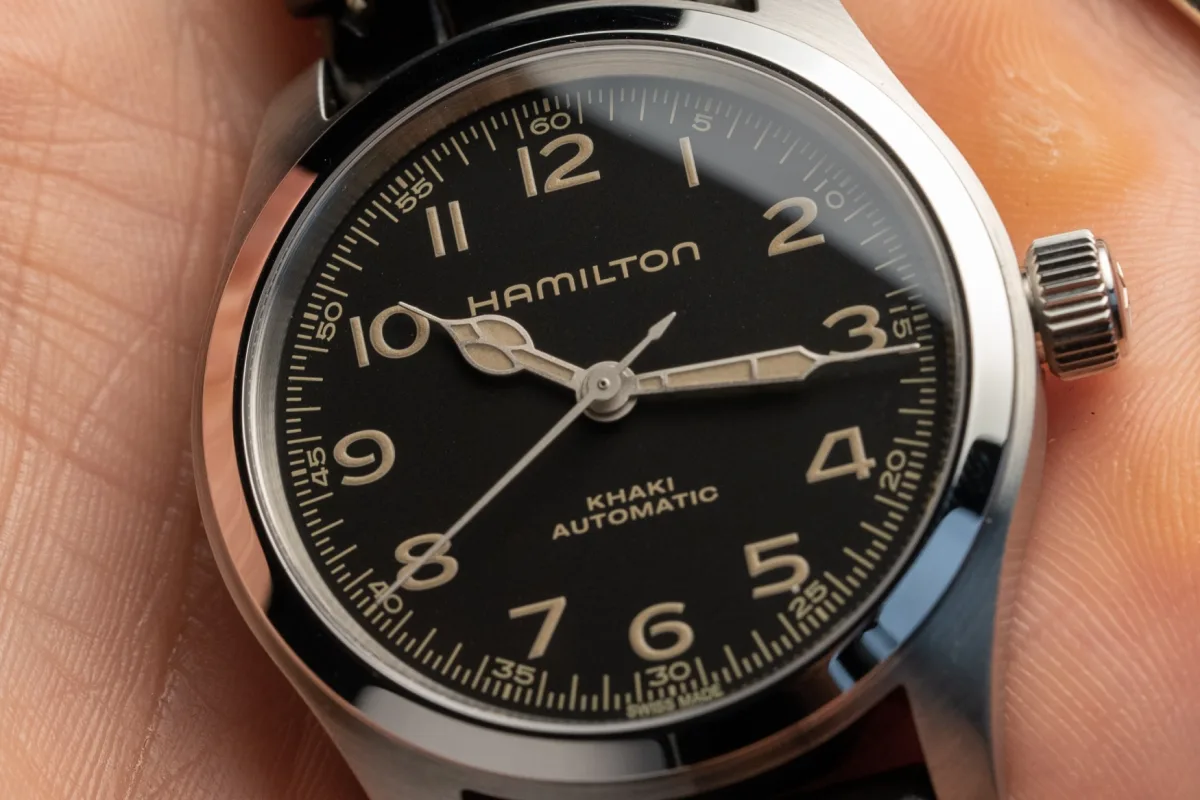
Look at popular field watches like the Hamilton Khaki Field Murph and Seiko Alpinist - they have nearly identical hands. This is a blend of styles where the hour hand gives the name to the Cathedral style. The luminous sections resemble stained glass windows, and the minute hand is often in the syringe style.
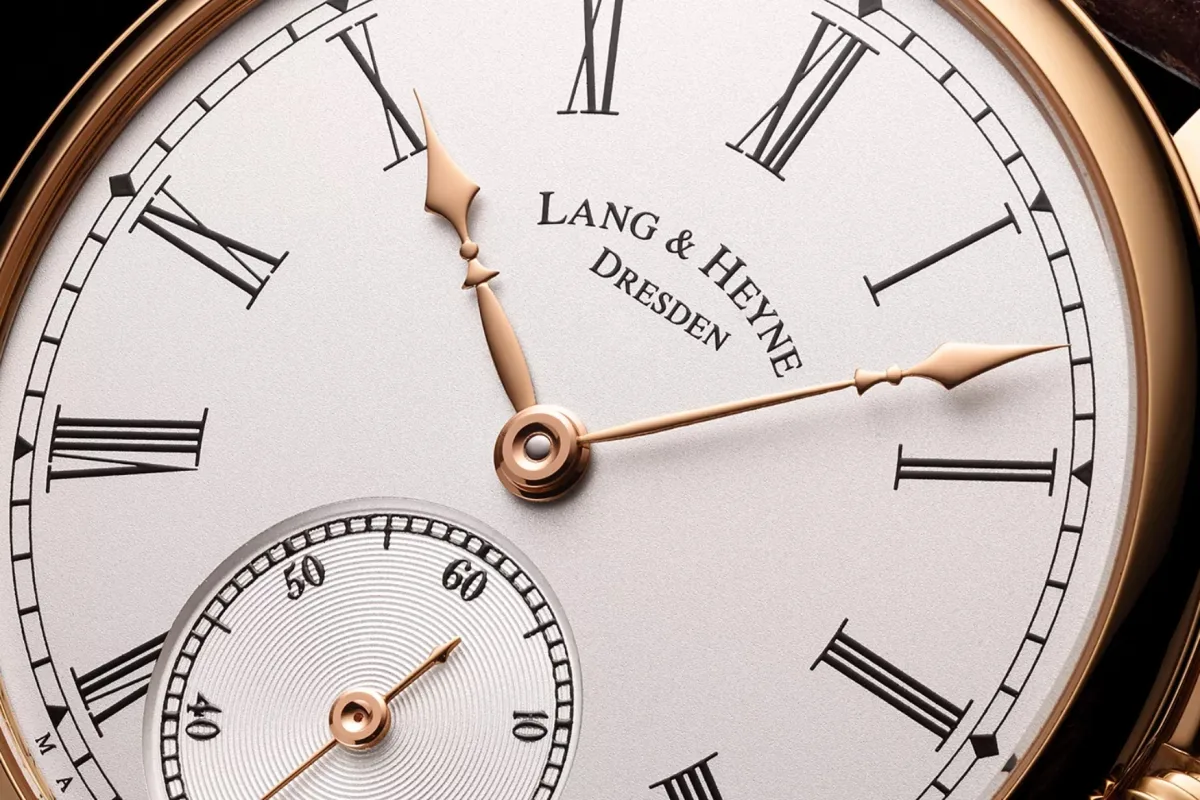
There are also mentions of the cathedral style resembling the hands of Lang & Heyne Friedrich, reminiscent of a fountain pen nib mounted on an axis - a nod to pocket watches of the past.
Dauphine
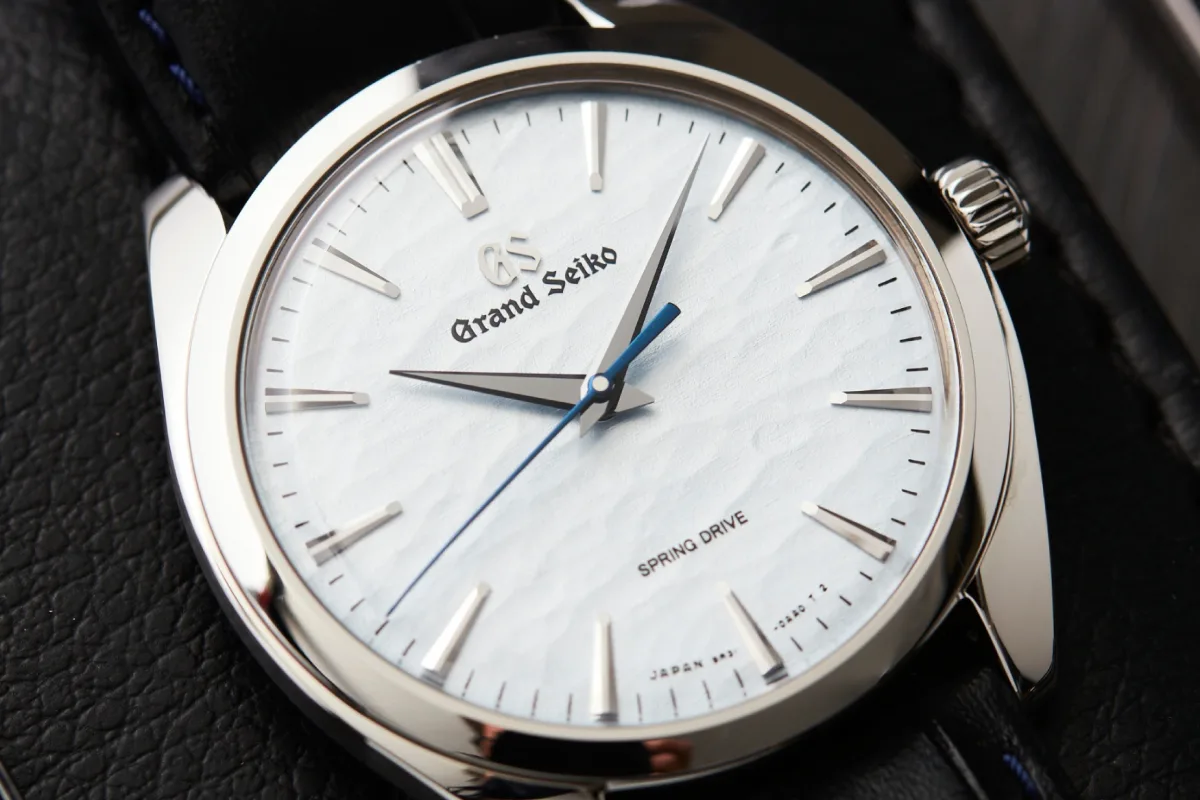
Objectively evaluating styles, it's hard not to highlight dauphine as the best. This style is widespread due to its versatility and the ability to apply various finishes. The wide flat surface allows brands to create unique textures. Grand Seiko showcases mastery with sharp facets, as seen in the SBGY007 Omiwatari model, while other brands prefer a central facet separating polished and matte surfaces for contrast.
Fleur de lys
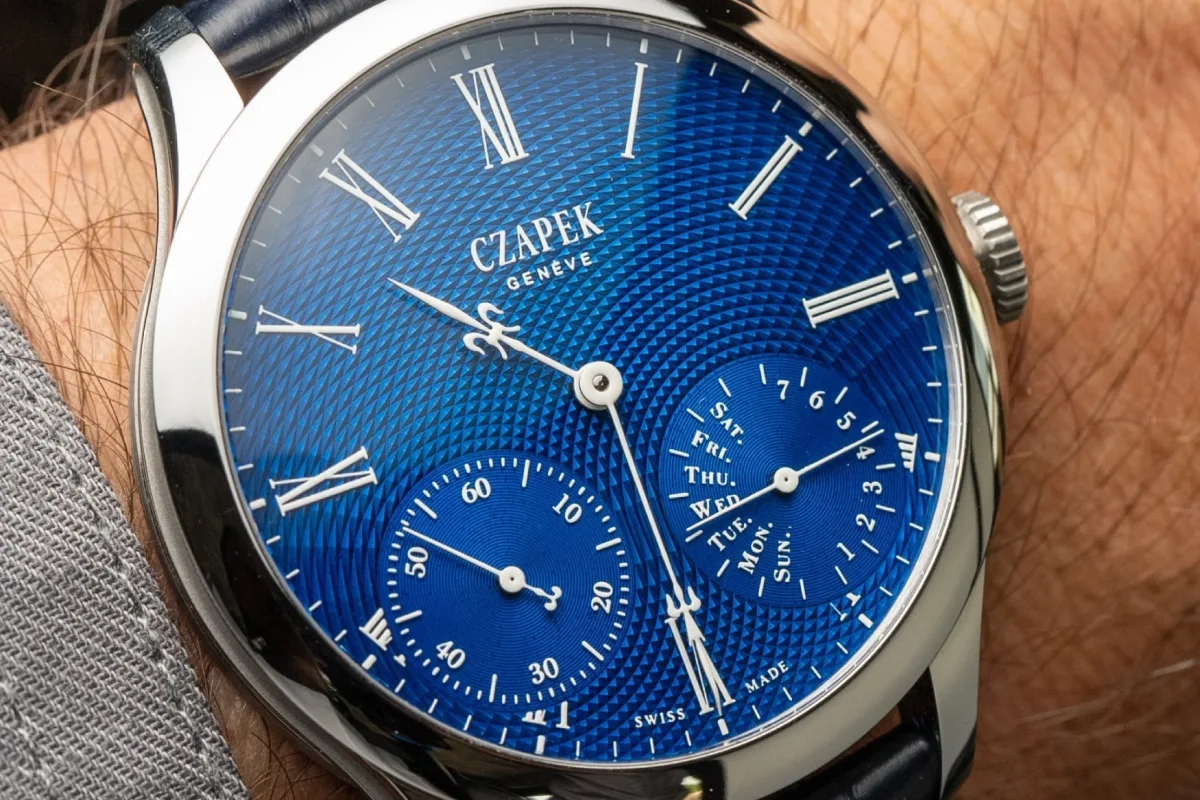
Fleur de lys hands are rare in wristwatches, such as in the Czapek Quai de Bergues collection. In pocket watches, this traditional French symbol often adorns the ends of long thin hands.
Leaf
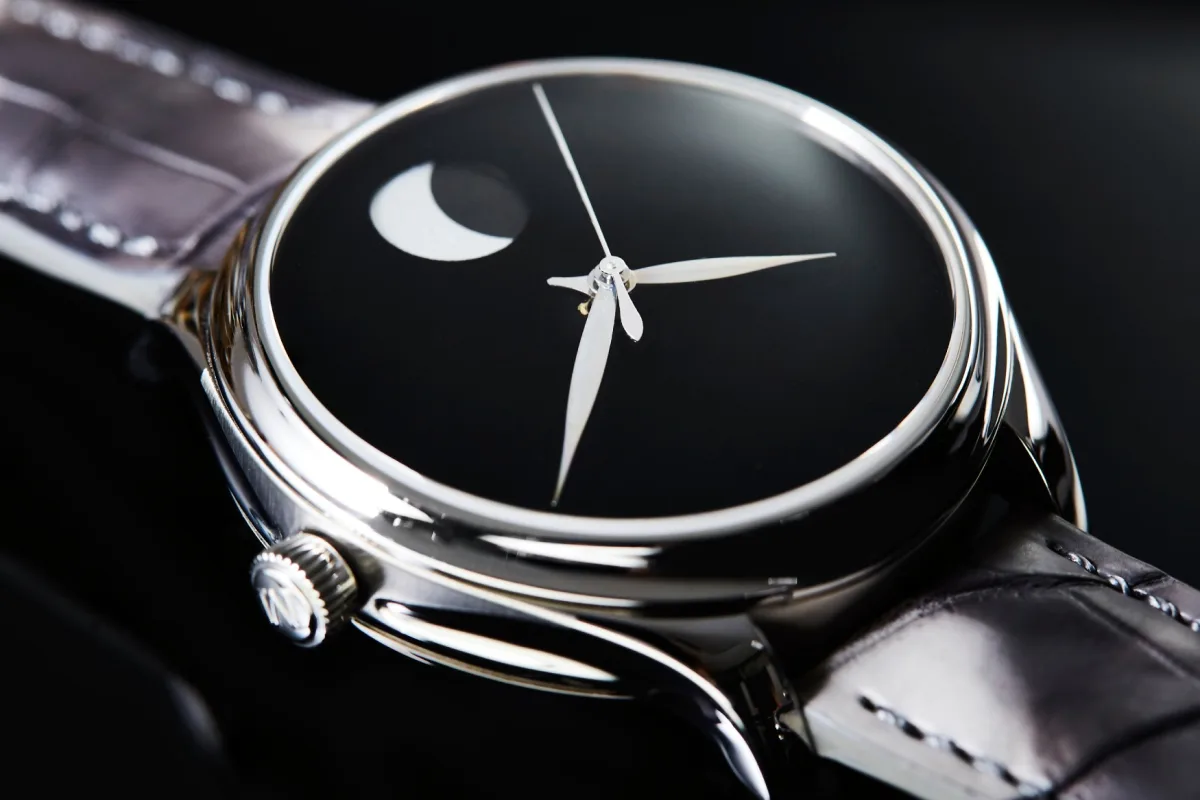
Elegant curved Leaf hands are often used in classic models and rarely have luminescent coating. In French, "feuille" means "leaf," and this term is also applicable. An example is the H. Moser & Cie Endeavour models with a Vantablack dial.
Lollipop
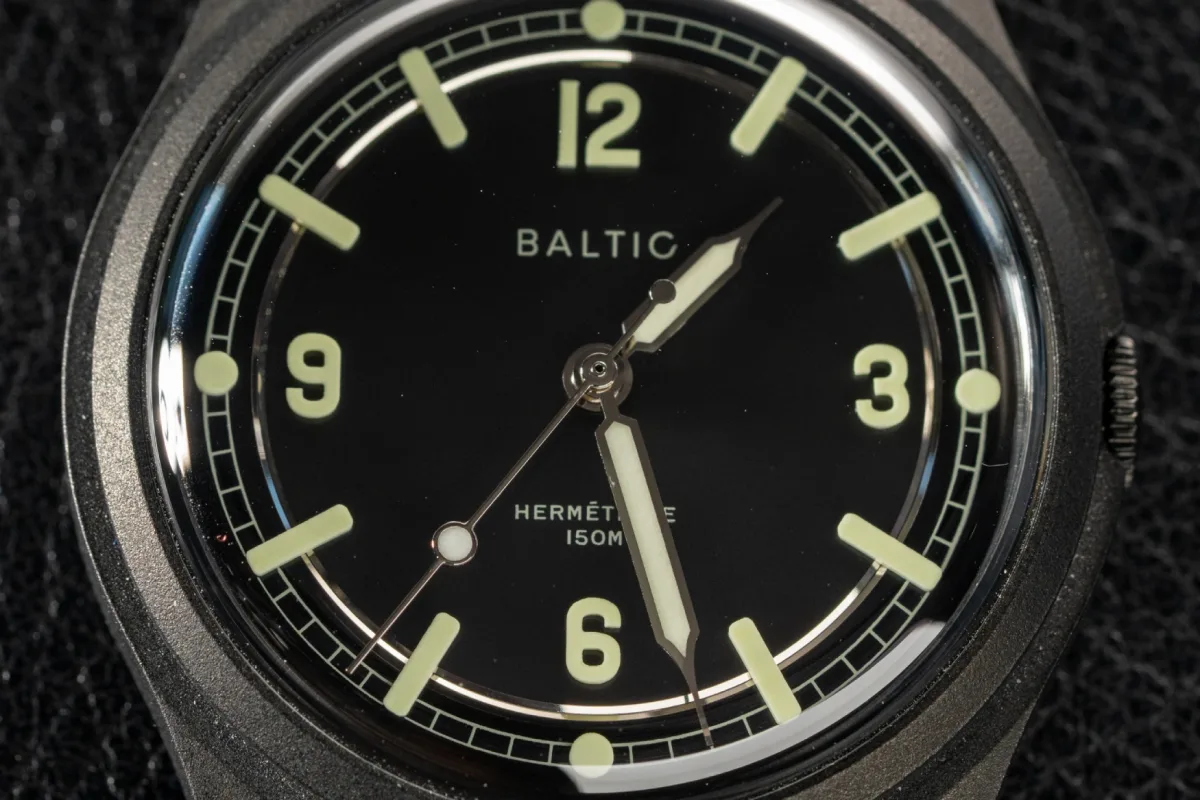
The Lollipop hand usually refers to the seconds hand. For example, in the Baltic Hermétique Night Mode, the main hand is syringe, and the seconds hand is lollipop.
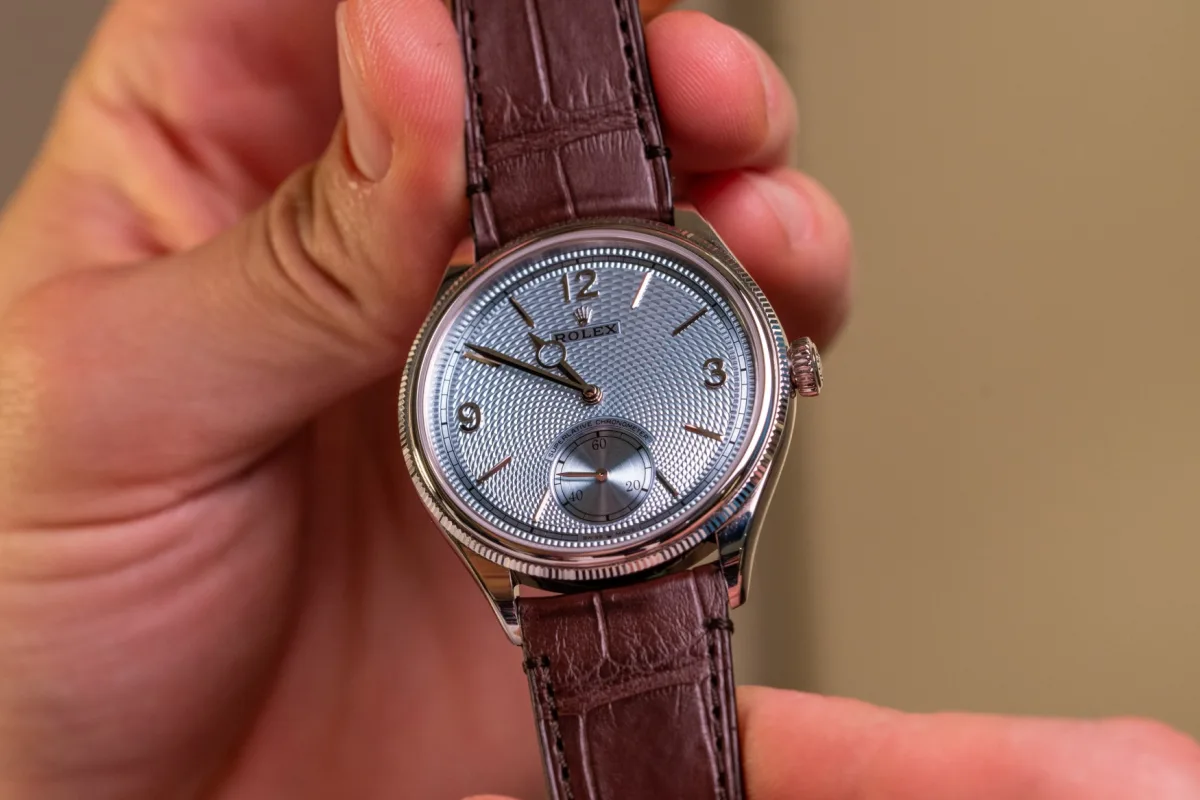
Some models, like the Rolex Perpetual 1908 or vintage Tudor Submariner, have hands resembling lollipop, but more often they are attributed to Mercedes or Breguet styles.
Louis XV
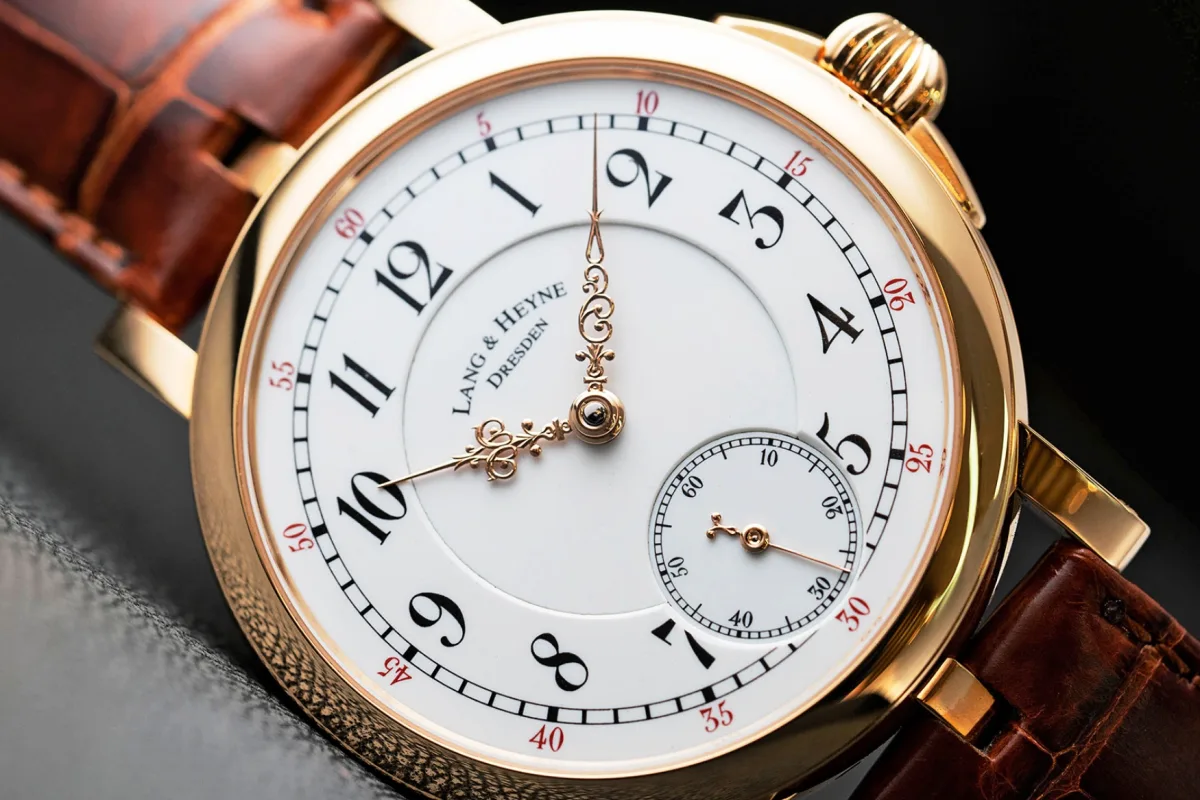
Lang & Heyne returns to the list with the Friedrich August I model and Louis XV hands. In style, they are close to cathedral and fleur de lys, but today are rarely seen in wristwatches. Often cheap stamped copies are used for replacement in vintage pocket watches, devaluing their beauty. Genuine carved hands by Lang & Heyne are true works of art.
Mercedes
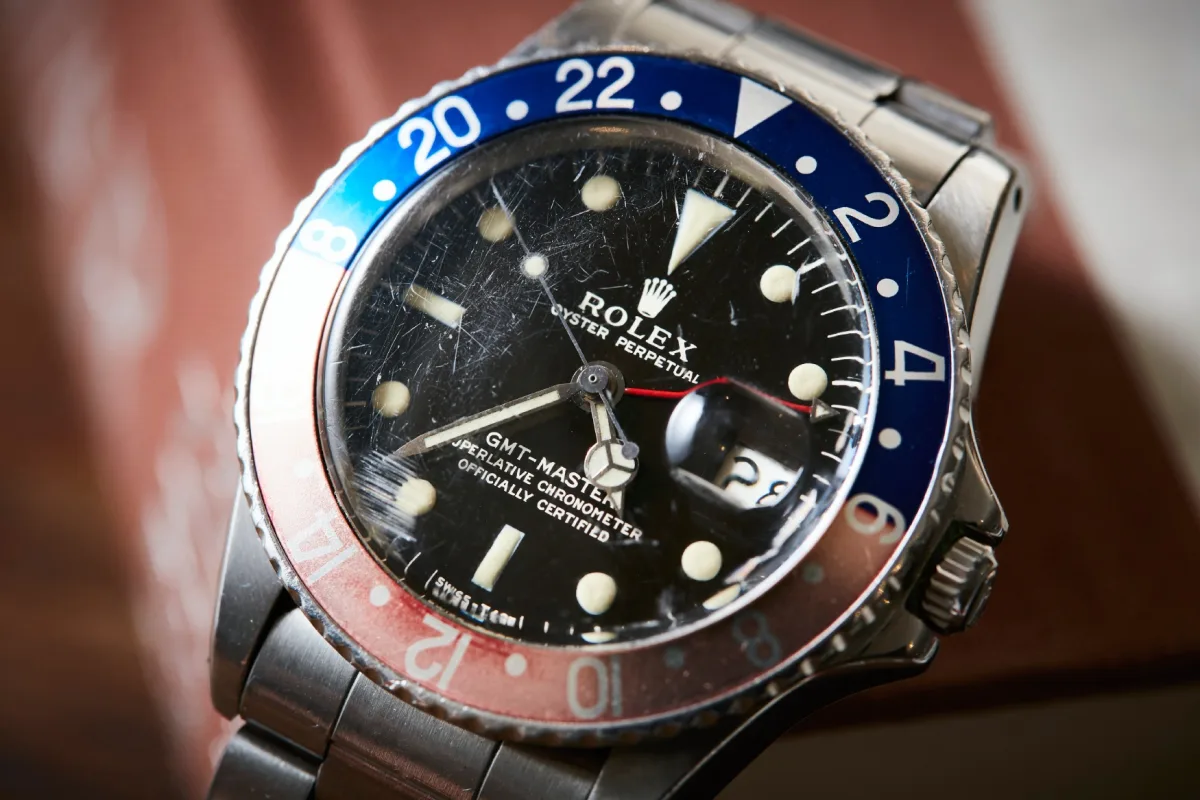
Mercedes hands are perhaps the most famous thanks to Rolex. Their name is associated with the Mercedes-Benz logo. The origin of the shape is not entirely clear, but there is a version that it is a simplified version of luminous cathedral hands, common in dive watches today.
Obelisque
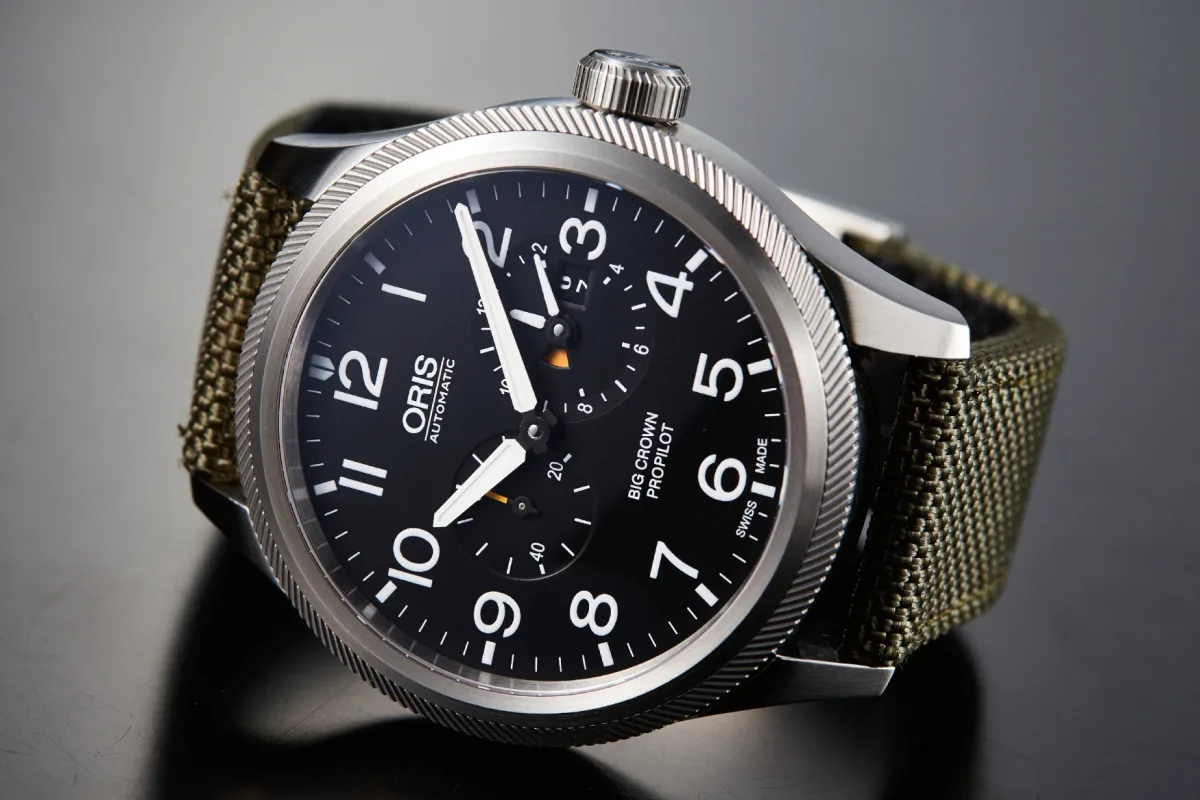
Discussion of the Obelisque style causes disagreements. The Oris Big Crown ProPilot variant with a wide base and pointed end resembles an obelisk.
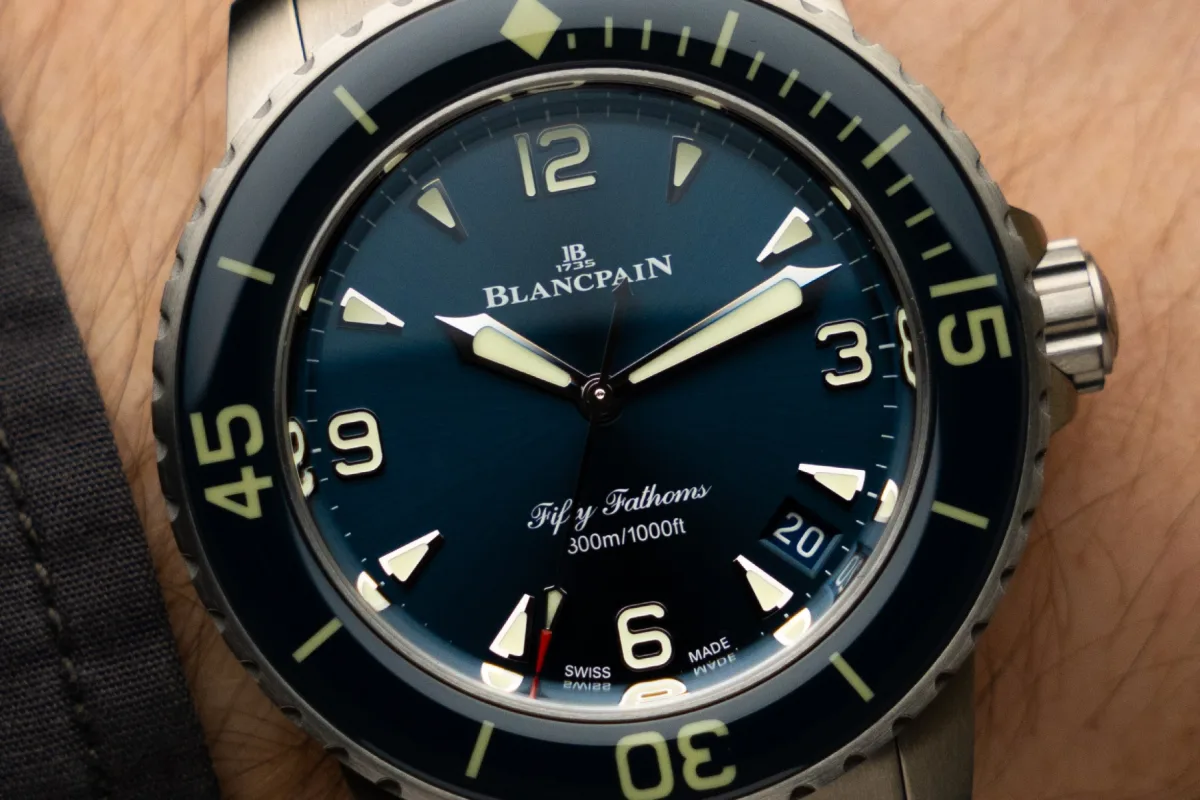
Blancpain, on the other hand, calls the Fifty Fathoms hands obelisque, which more closely resemble swords with elongated tapering.
Pencil
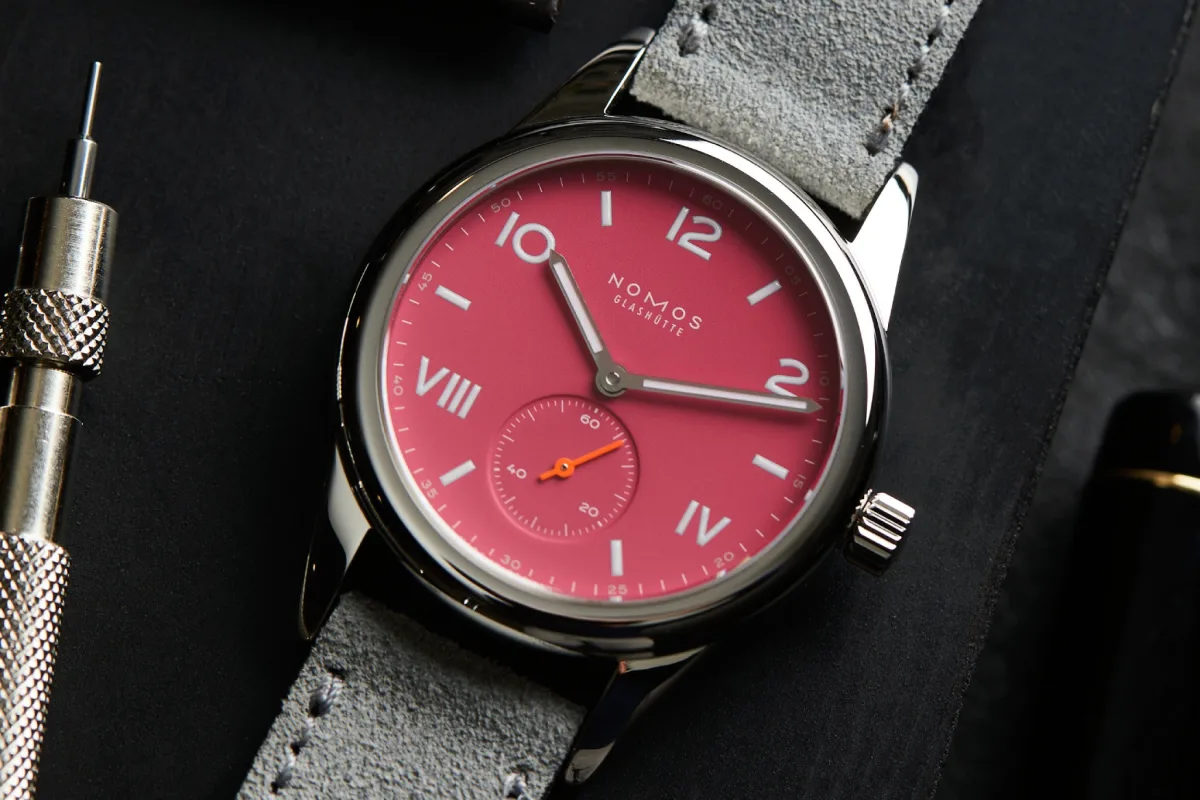
Distinguished from baton by a pointed tip, Pencil hands are also called index, fencepost, or pointer. Their simple design emphasizes the dial, which is why Nomos uses them in its minimalist Bauhaus models, such as Club Campus. Pencil hands are effective, concise, and easily readable.
Plongeur
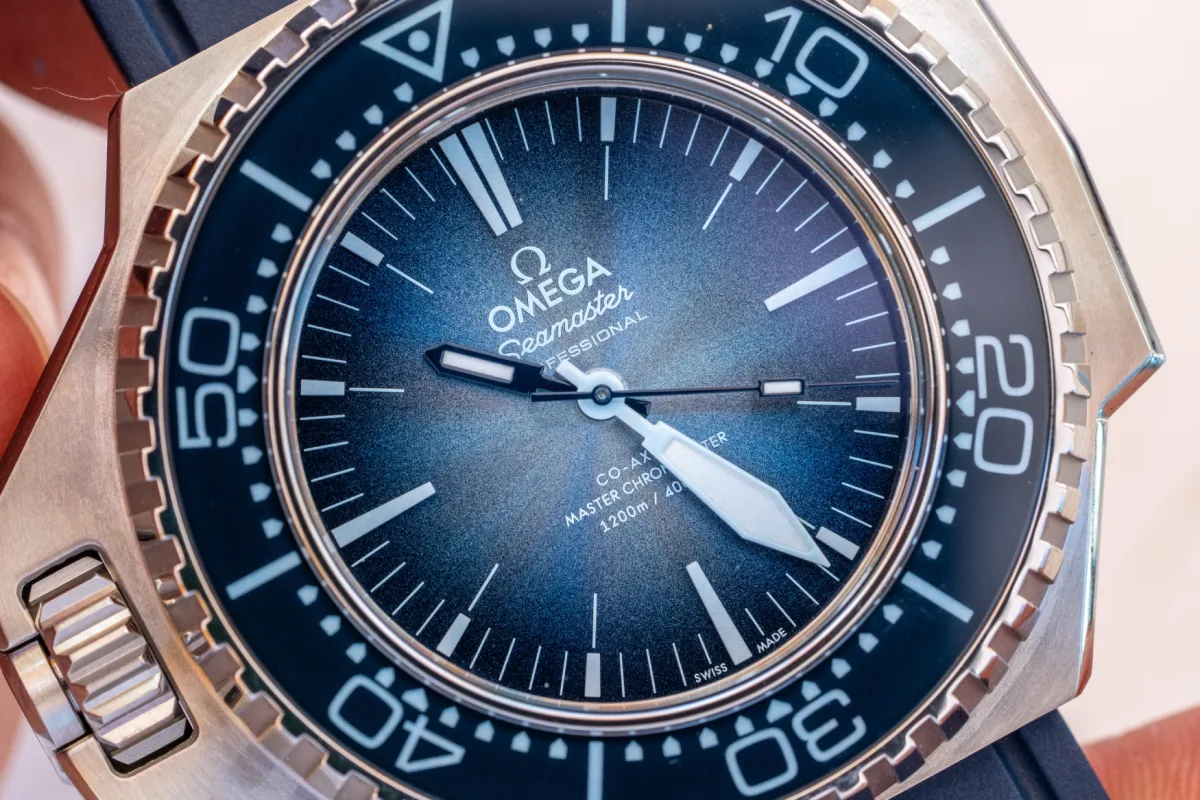
The Plongeur style is focused on maximum readability. These massive hands are found in large dive watches, like the Omega Ploprof. Here, the minute hand is significantly larger than the hour hand, combining sword (minutes) and pencil (hours) styles.
Serpentine
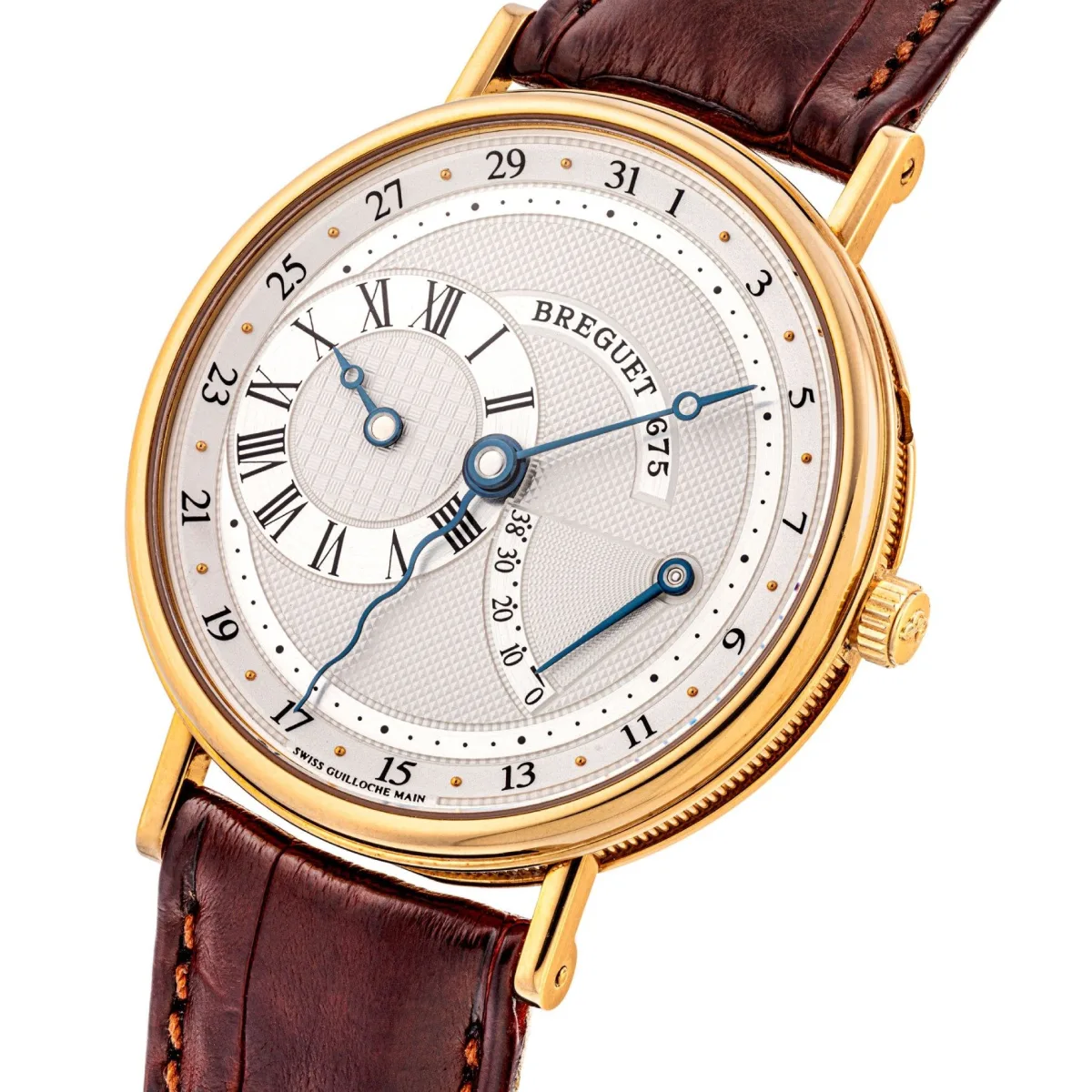
A search query for "serpentine watch hands" will yield many hands similar to Louis XV, but it is more accurate to imagine winding, elegant forms. Such hands often indicate secondary information, such as the date pointer in Breguet ref. 3680. Speake-Marin used them for similar purposes, as well as in alarms for indicating trigger time.
Snowflake
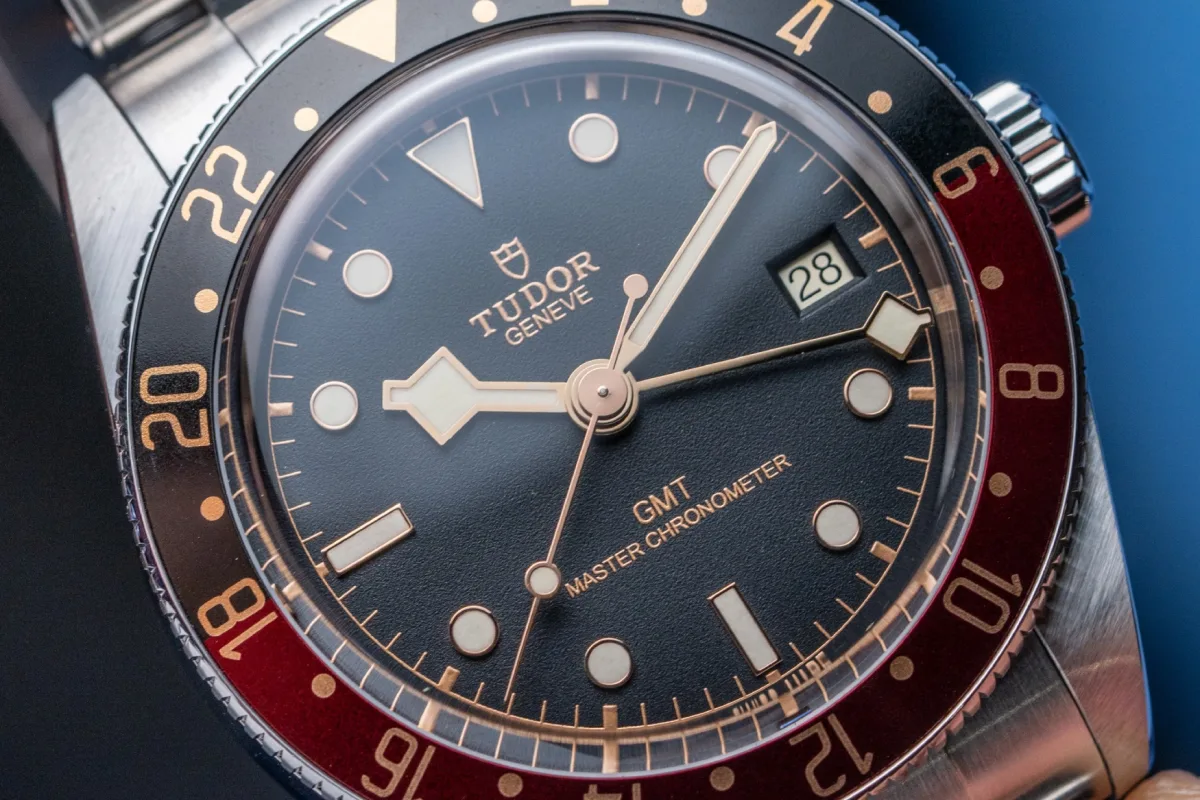
If Mercedes is associated with Rolex, then snowflake is with Tudor. Appearing in 1968 on the second generation of Tudor Submariner, these hands are paired with large rectangular luminescent markers. Today they are used in Black Bay and Pelagos models. Snowflake hands are also found in Longines, such as the HydroConquest GMT.
Spade
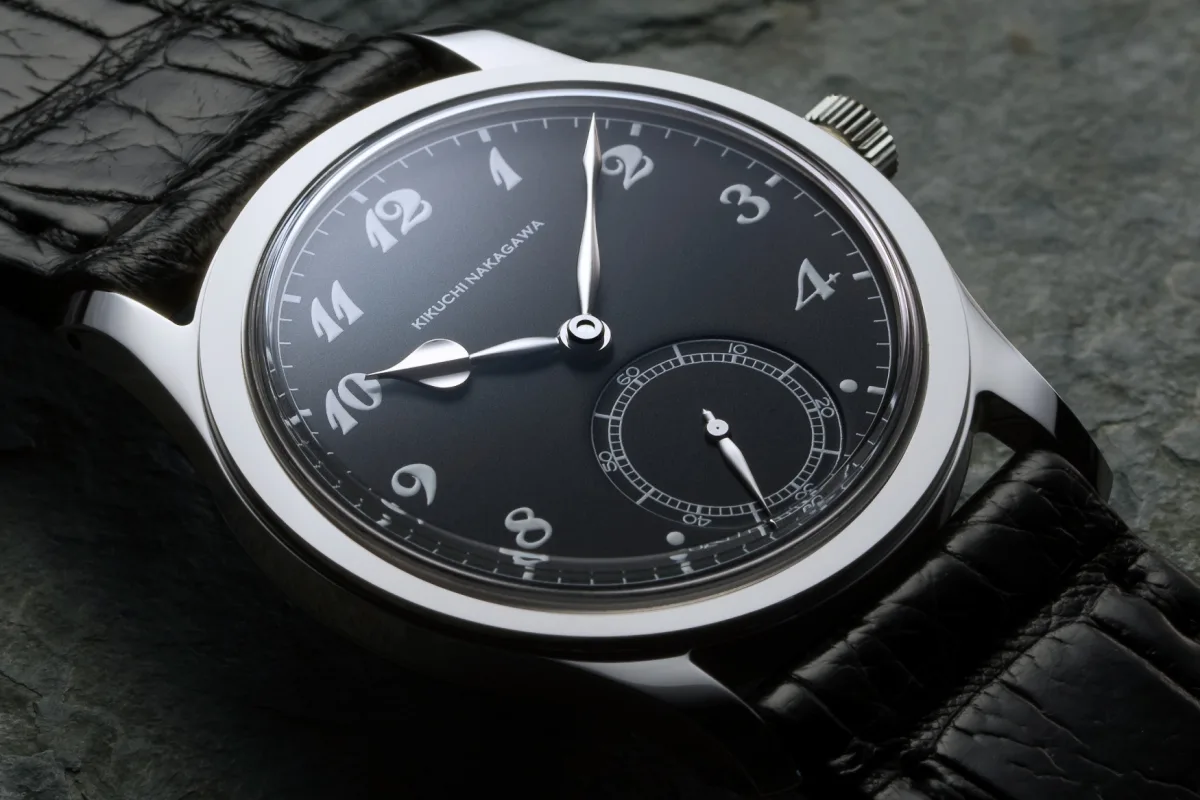
Spade hands are associated with the brand Kikuchi Nakagawa and its Murakumo model. They are also called poire ("pear" in French) due to the wide shape of the hour hand resembling a playing card suit. This is one of the most striking and detailed styles.
Spear
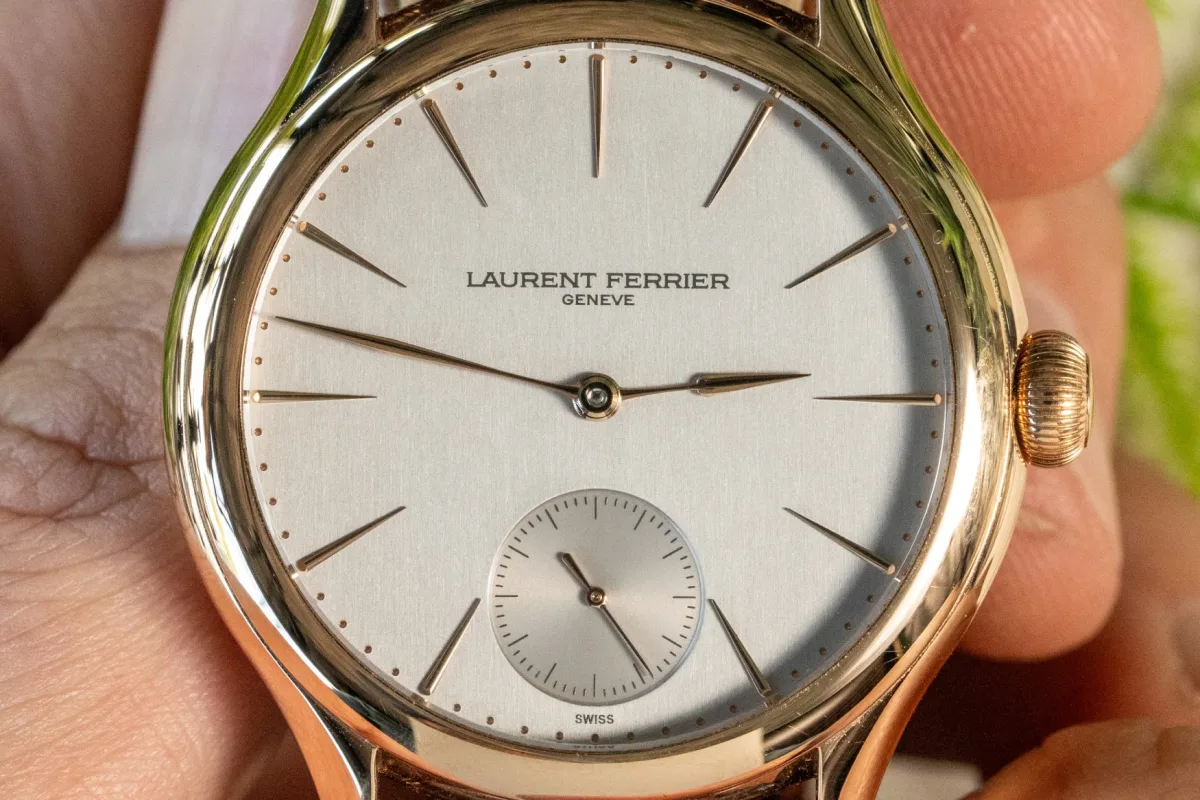
Laurent Ferrier is known for its Spear hands (spear or assegai). They are thin with a polished rounded finish. Similar styles are found in Moritz Grossmann and Tutima, but none match the delicacy of Laurent Ferrier.
Sword
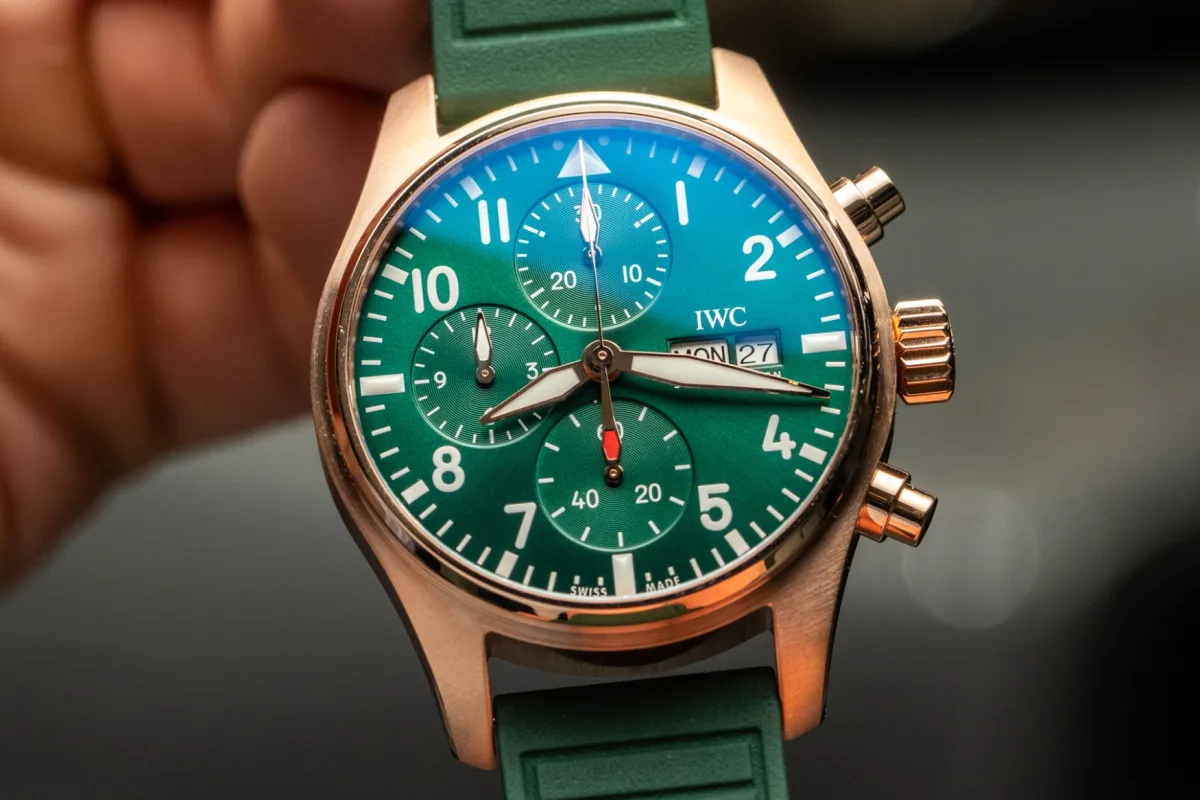
From the smooth forms of poire and spear, we move to the more strict and massive Sword. In pilot's watches, such as the IWC Pilot’s Chronograph, they are valued for readability and a large area for lume. Sometimes they are called lozenge or diamond due to similar shapes with slight differences in width and tapering.
Syringe
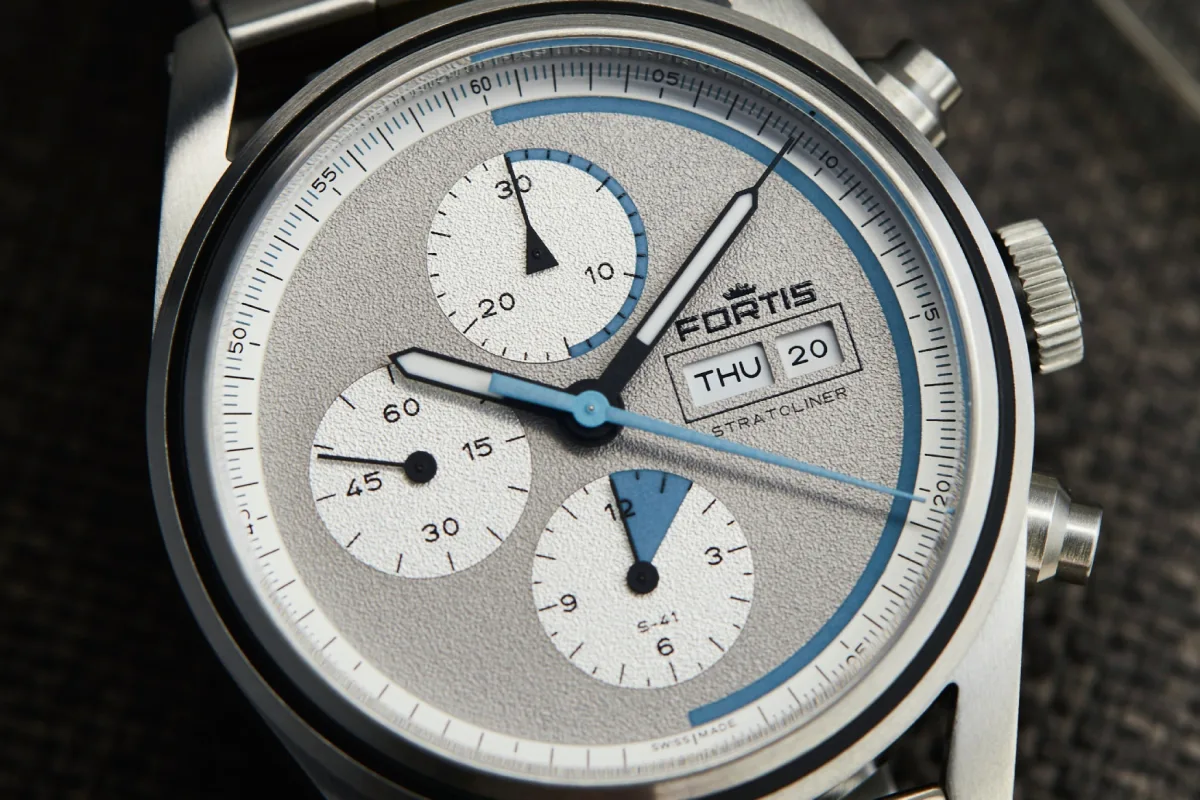
Concluding the list are Syringe hands, popular in tool watches thanks to their thin tips for precise scale readings. An example is the Fortis Stratoliner, where syringe is a pencil with an elongated tip. Sometimes they are called paddle if the tips are shorter. While more common in sports models, Patek Philippe uses syringe in some everyday Calatravas, emphasizing their flat surface for lume application.
This guide covers the main styles of watch hands, allowing you to better navigate the terminology and design features, which is important for watch experts and collectors.