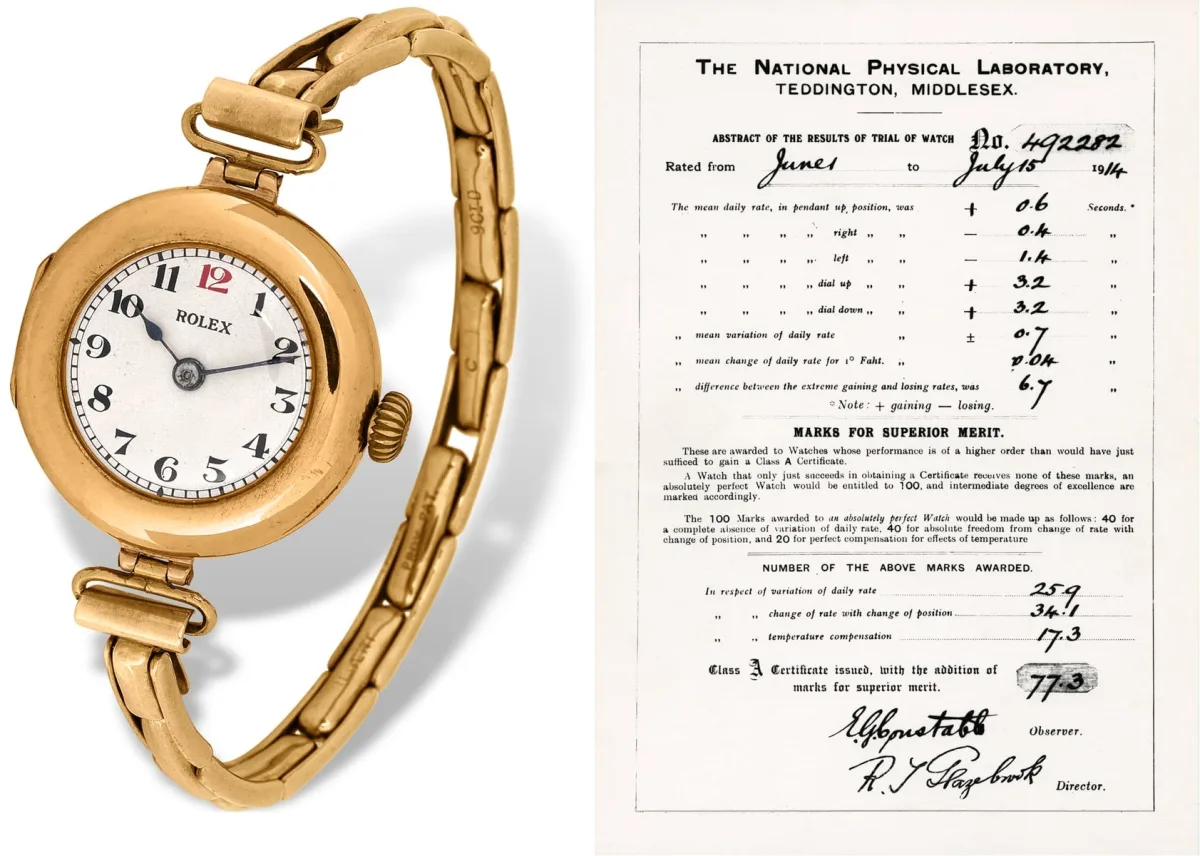
In today's world, having precise time at hand is no longer news.
We are almost always connected to satellite time (GPS), based on atomic clocks on satellites, which measure time with an accuracy of up to 100 billionths of a second. However, optimizing accuracy through mechanical components is a completely different challenge and a centuries-old quest. A chronometer - a word derived from the Greek chronos (time) and metron (measure) - is the physical embodiment of its primary goal: accurate time measurement. While chronometers once had immense practical significance, today they have become prestigious items. Yet, creating a watch that neither loses nor gains time remains the holy grail of watchmaking - the essence of the watchmaking profession. You may not realize it, but in the modern world, chronometer watches matter. They remind us of the essence of watchmaking and connect us with its centuries-old history.
Do you remember the telephone time signal? In the Netherlands, it still exists. By dialing 0900-8002, you immerse yourself in pure nostalgia. For those unfamiliar with this phenomenon: you call a number and hear the exact time. A woman's voice says: "After the next signal, it will be..." and names the time to the second. For decades, this number was the second most popular in the Netherlands. Before mobile phones and computers, about 60 million Dutch people called annually to find out the exact time. Today it seems unnecessary, but the service remains. Similarly, mechanical watches with a chronometer certificate are not a necessity, but they continue to exist and deserve attention.
Why Chronometer Watches Matter
Recently, I wrote about why people wear analog watches in a digital world. If archaic technology in a world running on bits seems insufficient, consider the pinnacle of analog watchmaking - the chronometer. The modern chronometer is an evolved measuring device, whose history begins in the 18th century. Faced with the task of determining longitude at sea, the British government offered a substantial reward for a reliable solution. Accurate time measurement ensures precise navigation, saving money and preserving valuable cargo. For understanding: when a ship moves 15 degrees east, local time advances by one hour, and when moving 15 degrees west, it goes back by one hour.
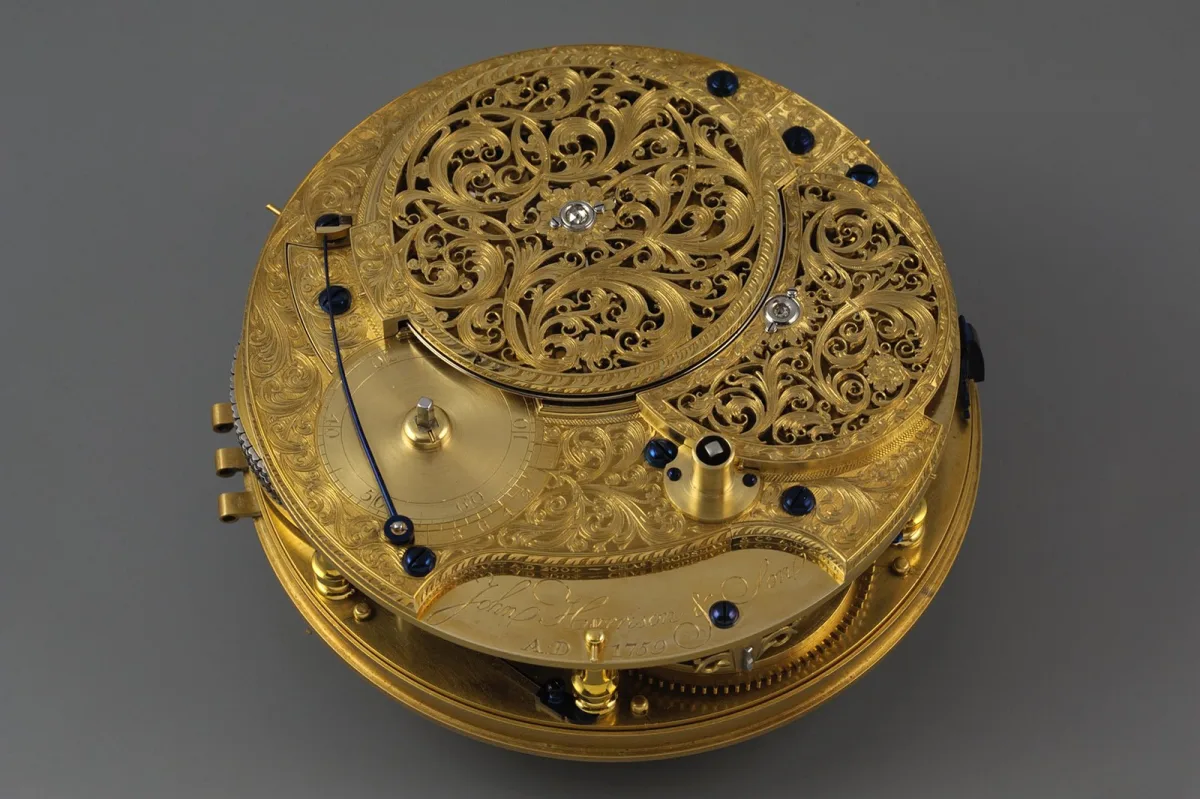
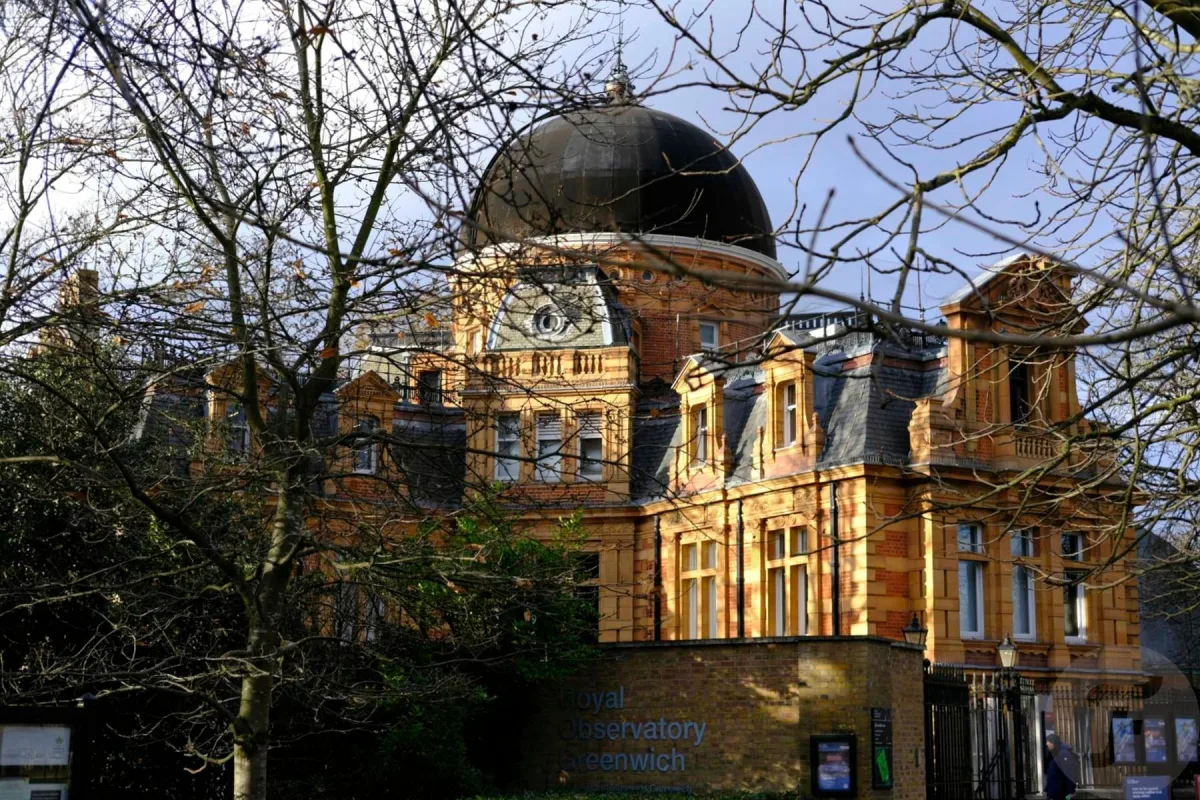
Watchmaker John Harrison rose to the challenge and in 1759 created the H4 - a marine chronometer that demonstrated outstanding accuracy even in harsh sea conditions. With the chronometer on board, sailors knew the exact time at Greenwich (GMT) and, by comparing it with local solar time, could calculate their longitude position. Harrison's breakthrough was a turning point in marine navigation, transforming ocean voyages and establishing the chronometer as a cornerstone of horological art.

Certification and Testing of Chronometers
You can't just call a watch a chronometer when life and money are at stake. As time and technology evolved, chronometer certification became an important aspect. After the mass production of pocket watches in the late 19th century, brands began competing in marketing claims about quality, and independent testing and certification gained significance. In response, official control bodies were established in the 1880s, including certification offices and, more importantly, chronometric observatories - in Geneva, La Chaux-de-Fonds, and later in Besançon in the French Jura. These institutions provided the highest level of legitimacy for expensive watches, strengthening their status and price.
When wristwatches became a mass product in the 1930s, gradually replacing pocket watches, the accuracy of chronometers and methods of measuring it remained key for brands. At the time, watches were positioned as precise instruments.
Today, the largest Swiss independent testing center for movements is the Contrôle Officiel Suisse des Chronomètres (COSC), founded in 1973. This non-profit organization guarantees the accuracy of Swiss watches through neutral, independent, and rigorous methods.

Knowledge of watch history, their operating principles, and the challenges overcome by watchmakers is necessary not only for a long-lasting love of mechanical watches but also for successful brand sales. Only a well-informed and interested audience returns for new purchases. Understanding chronometers and their role in the history of watchmaking is the foundation of education. A chronometer is a highly accurate mechanical watch showing hours, minutes, and seconds, whose movement has passed tests by independent laboratories. But it is also important to note that mechanical watches are influenced by gravity and friction, making official certification especially valuable.
The Olympic Games motto - Citius, Altius, Fortius (Faster, Higher, Stronger) - applies to mechanical watchmakers as well. Striving for perfection, they continue to improve their products. Practical reasons do not play a role here. For some sports, a measuring tape is used, and specialized "judges" are involved to determine chronometric accuracy. For example, the Geneva Observatory held chronometer competitions from 1872 to 1968, and the Neuchâtel Observatory from 1866 to 1975. Although the competitions themselves have ceased, chronometer testing has continued.
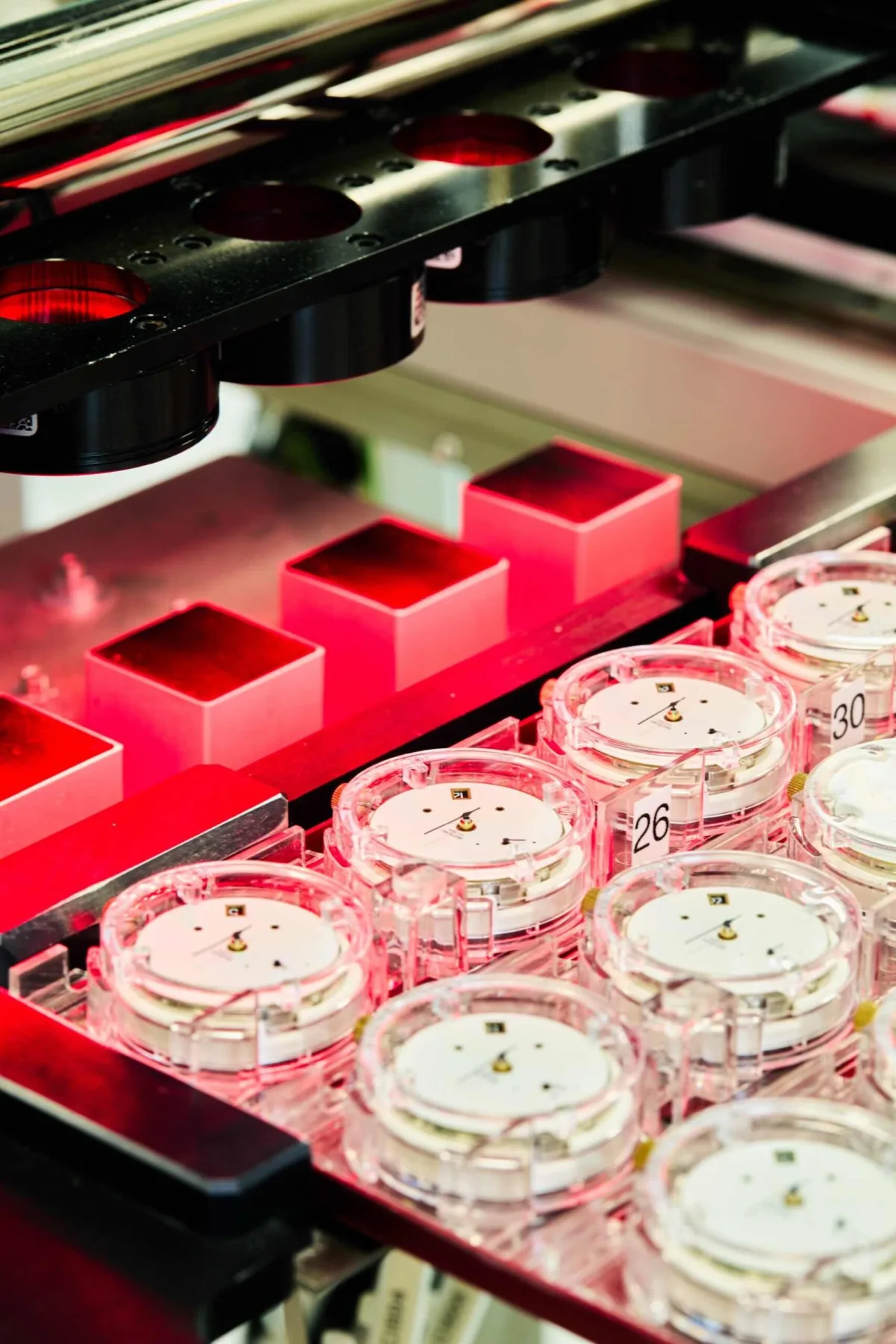
COSC is an organization whose seal confirms the accuracy of chronometric mechanisms produced exclusively in Switzerland. COSC tests about 40% of all Swiss watches, including Rolex and around 60 other brands. Movements are sent to COSC and undergo testing from 12 to 20 days according to seven criteria established by ISO 3159 - the first international standard of watch accuracy, introduced in 1976 and updated in 2009.
Seven COSC Testing Criteria:
- Average daily rate
- Mean deviation of rate
- Maximum deviation of rate
- Rate variation in horizontal and vertical positions
- Maximum rate deviation
- Rate deviation depending on temperature
- Rate recovery after stopping
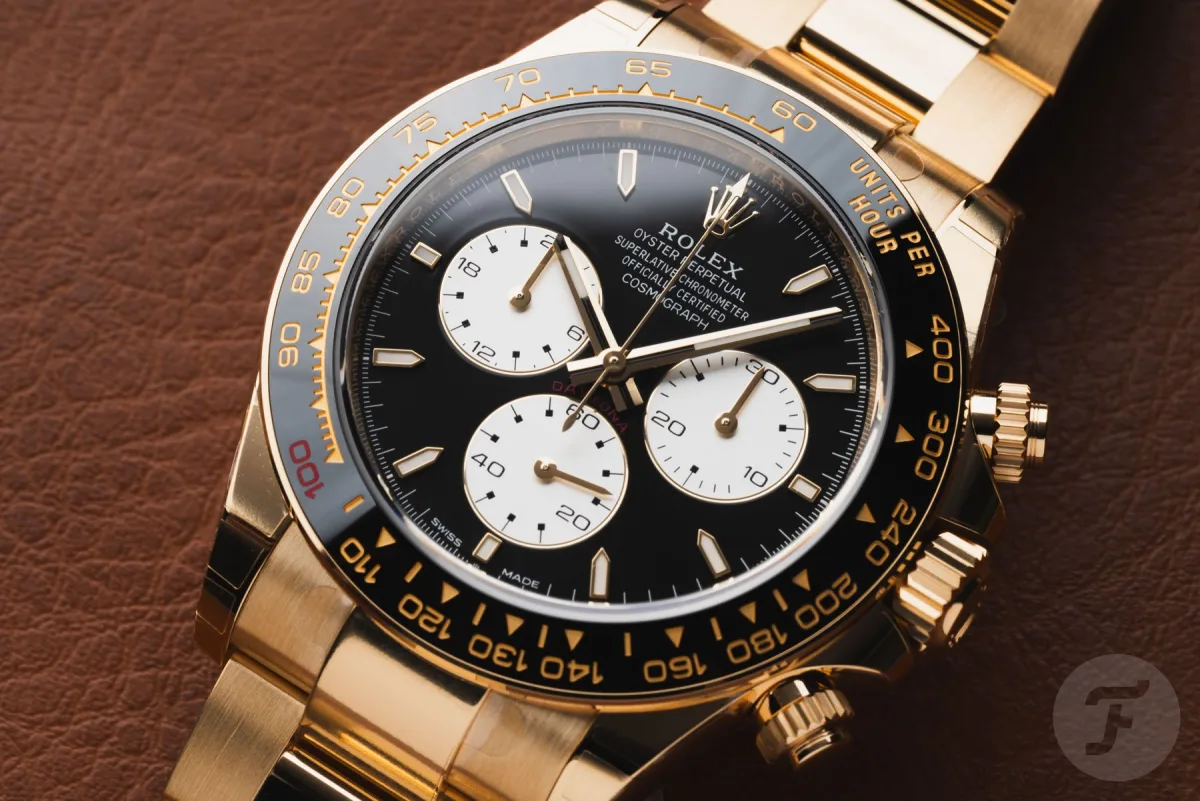
The most well-known criterion is that the average daily rate must be within -4 to +6 seconds. A mechanism either passes or fails the test - no compromises. Upon successful completion, the mechanism receives an engraved number, an official certificate, and the status of "chronometer, certified by COSC."
New COSC Standards
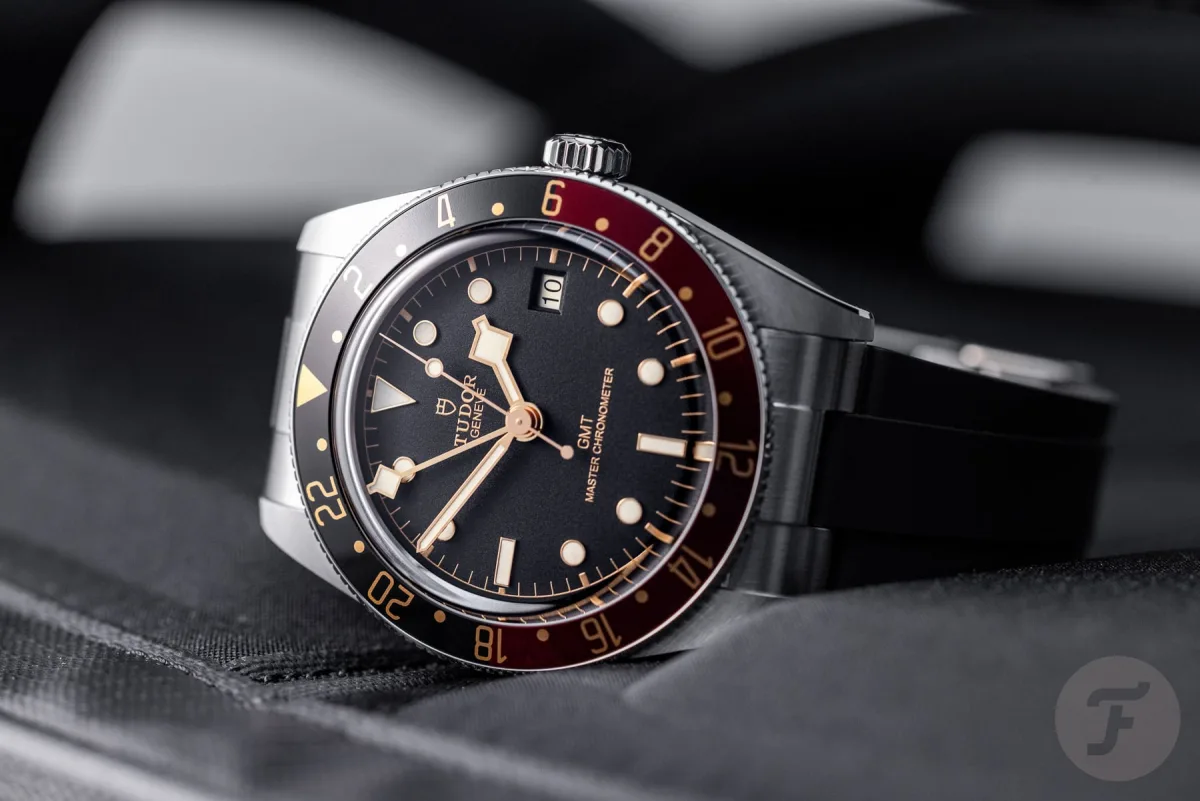
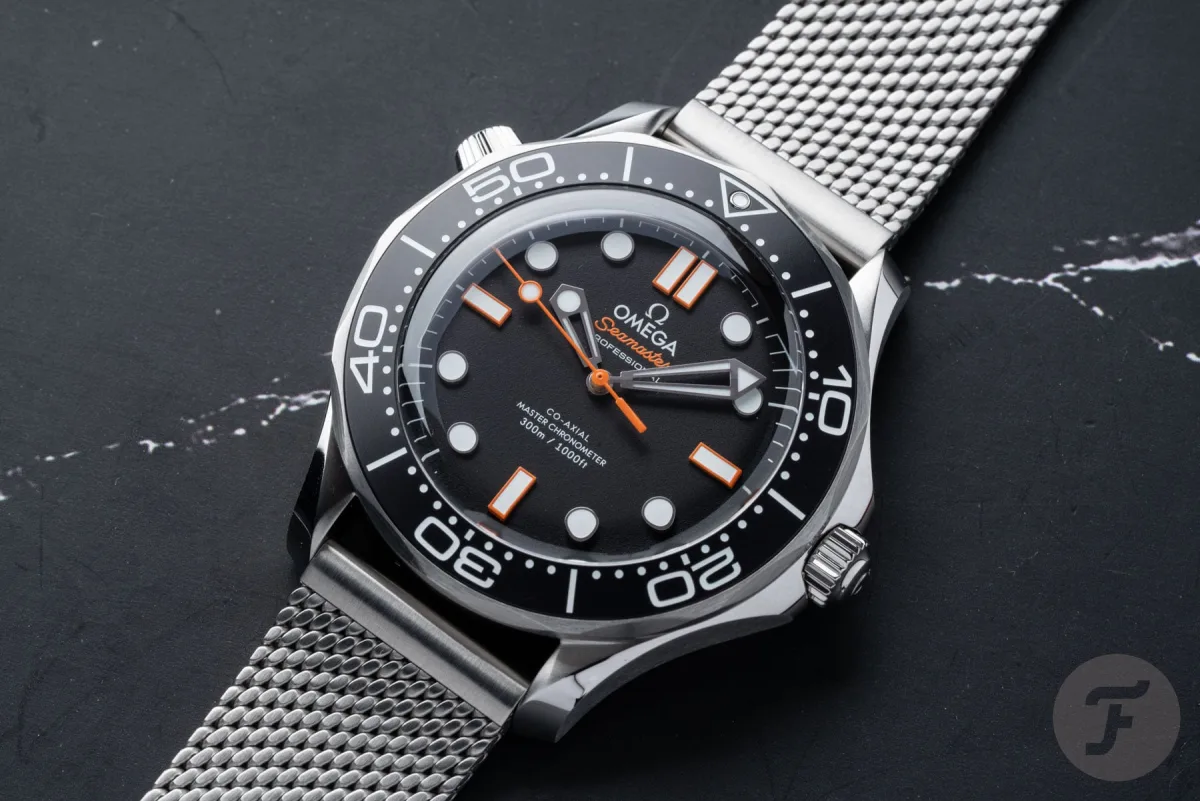
Recently, COSC introduced the Excellence Chronometer Certification, about which Thomas wrote. This new level does not replace the basic certification but complements it by tightening the average deviation requirement to -2/+4 seconds per day. However, this is not the strictest standard. Rolex's Superlative Chronometer certificates and METAS's (Federal Institute of Metrology) Master Chronometer impose stricter requirements. The Superlative Chronometer is accurate to -2/+2 seconds per day, and METAS-certified Omega or Tudor Master Chronometer watches have accuracy within 0/+5 seconds per day.
Chronometers Beyond Switzerland
Chronometer certification exists not only in Switzerland. In Germany, it is conducted at the Glashütte Observatory according to the DIN 8319 standard. Unlike Swiss COSC tests, which certify only uncased mechanisms, the German standard requires testing fully assembled watches over 15 days with a daily deviation from -4 to +6 seconds.
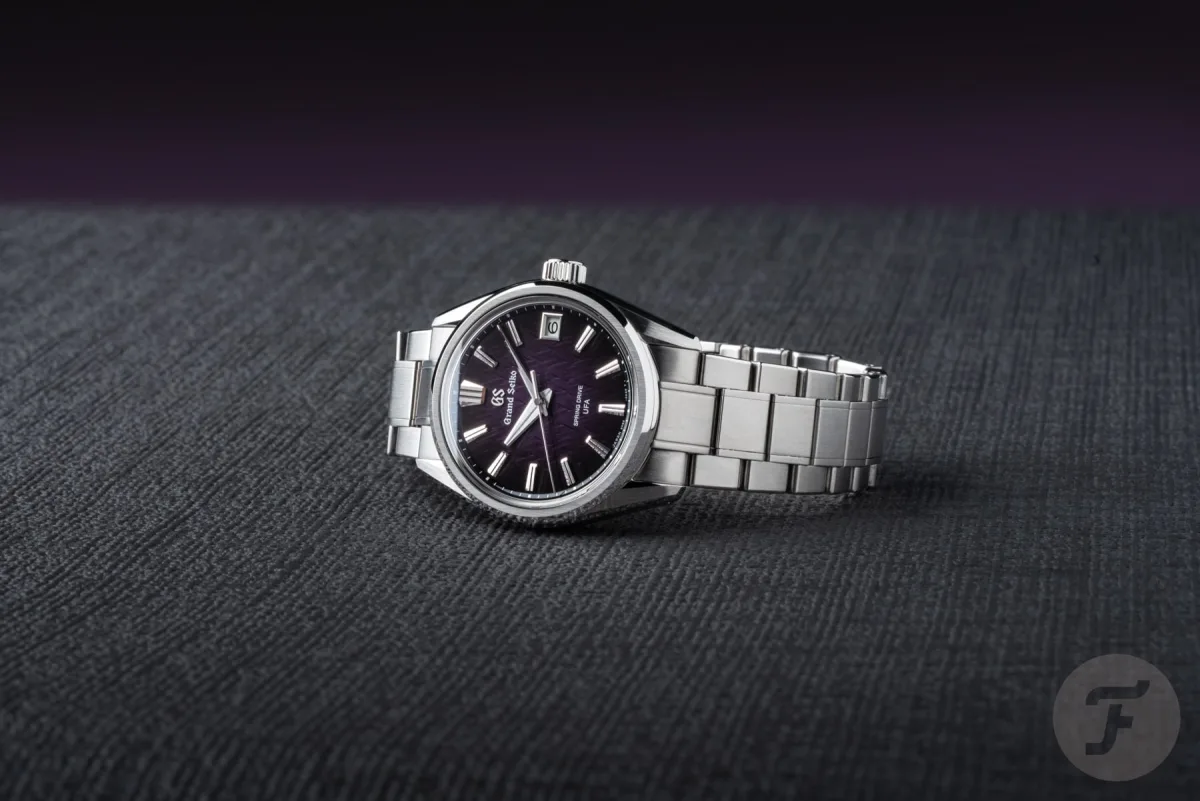
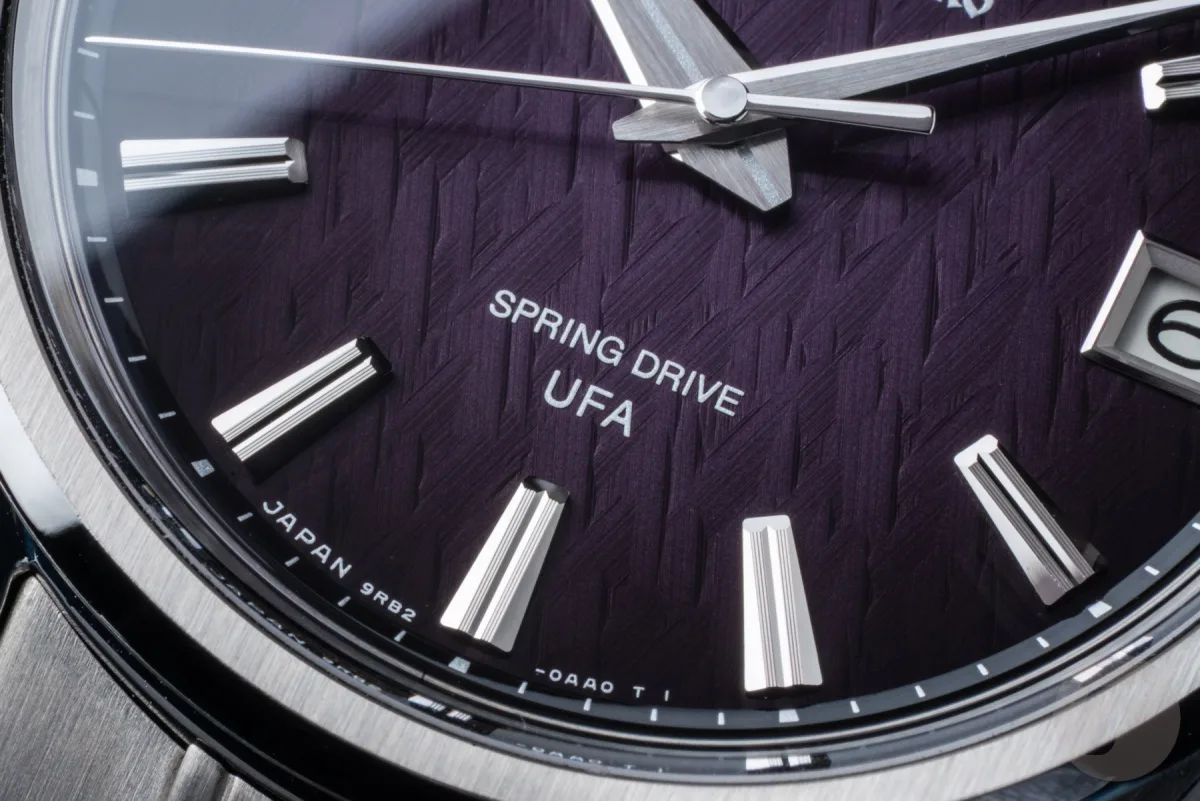
The Japanese brand Grand Seiko also places a high emphasis on accuracy. In the late 1960s, Grand Seiko released the first V.F.A. (Very Fine Adjusted) models and continued to produce a limited number of such precise watches until the mid-1970s. This year, the story continued with the release of new Ultra Fine Accuracy (U.F.A.) models, including the SLGB005 with a purple dial. Inside these watches is the new 9RB2 Spring Drive caliber with an accuracy of ±20 seconds per year or about ±3 seconds per month. As expected, this movement will appear in other models.
In 2012, Audemars Piguet introduced the slogan "To break the rules, you must first master them," which inspired the subtitle of this article - "To waste time, you must first measure it." A chronometer can be seen as a competency test. If a brand is capable of producing chronometers, it elevates its status, demonstrates respect for the craft, understanding of the history of time measurement, and readiness for perfection. However, this only makes sense when the target audience values precision. Therefore, education that reveals the long history of horology is extremely important. A chronometer certificate will not resonate with those who are not interested in accuracy.
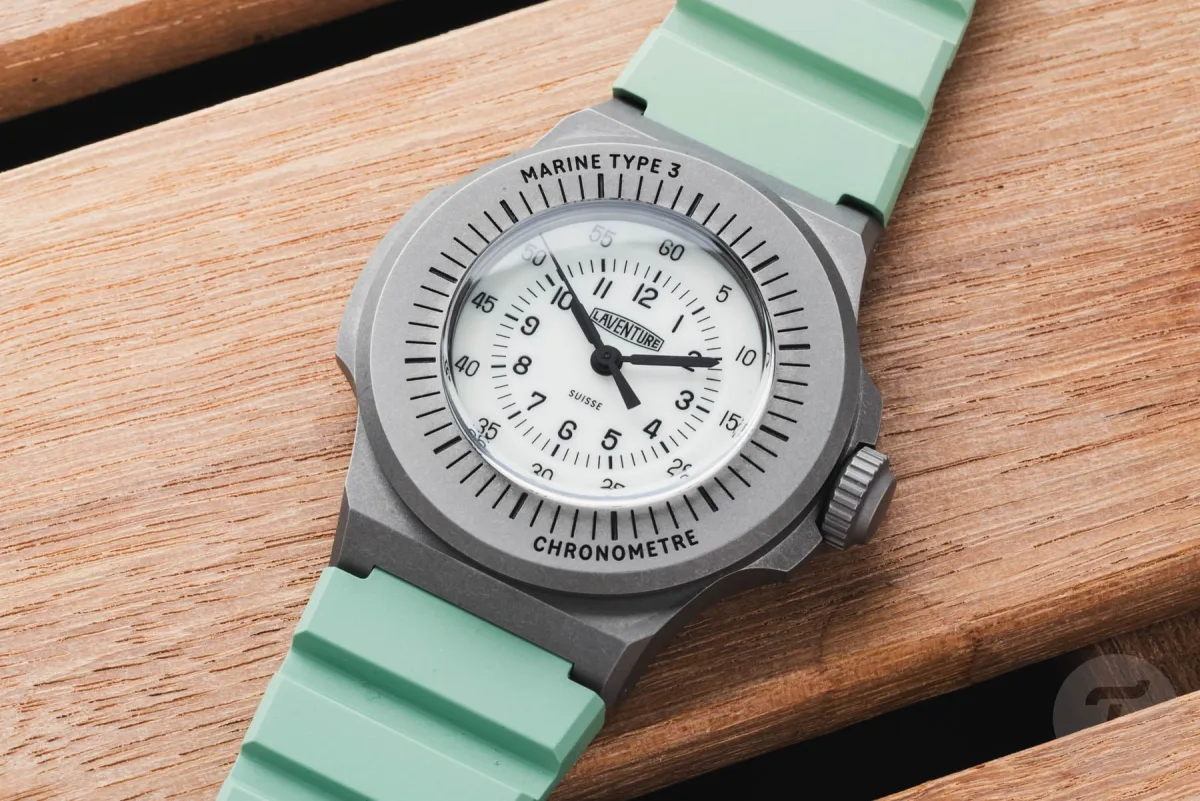
Brands producing chronometers and their buyers are timekeepers. Historical values need to be protected, cherished, developed, and explained - this is an important role for such guardians. In the watch world, where there is no functional necessity, different rules apply. If watchmaking loses its fundamental principles, it may get out of control, lose meaning, and disappear into a "black hole." Watches will become merely ornaments - a scenario that will not lead to the demise of the watch industry but will change its essence.
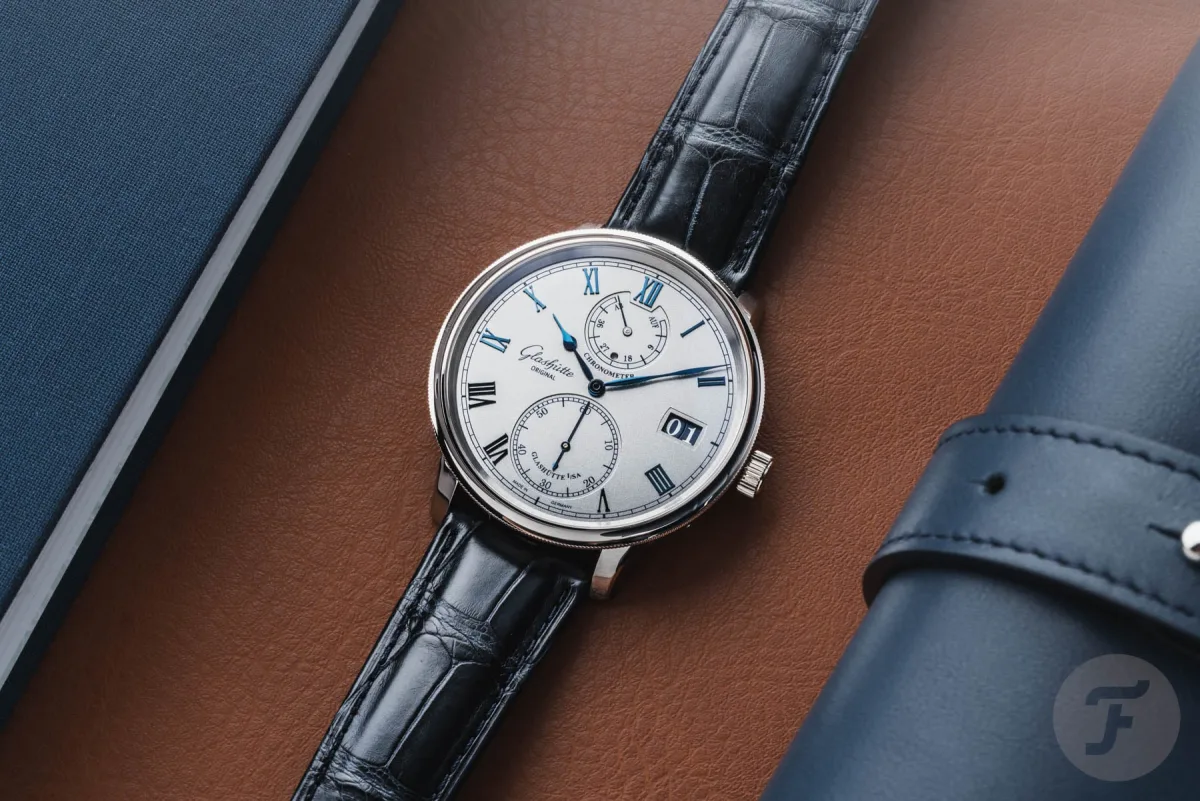
The Essence of Time Measurement
This is why chronometer watches are so important. It's not just about observing how a complex mechanical movement accurately measures time without noticeable deviations - that's impressive. The main thing is that chronometers embody the essence of time measurement like no other watches. The production of a chronometer is an act of respect for the history of horology, as is its purchase.
Do you value accuracy? Are you willing to pay more for a watch with a chronometer certificate? If so, you may be an unconscious timekeeper. I would be glad to hear your thoughts. If not - please, tell me why. Your opinion matters too.