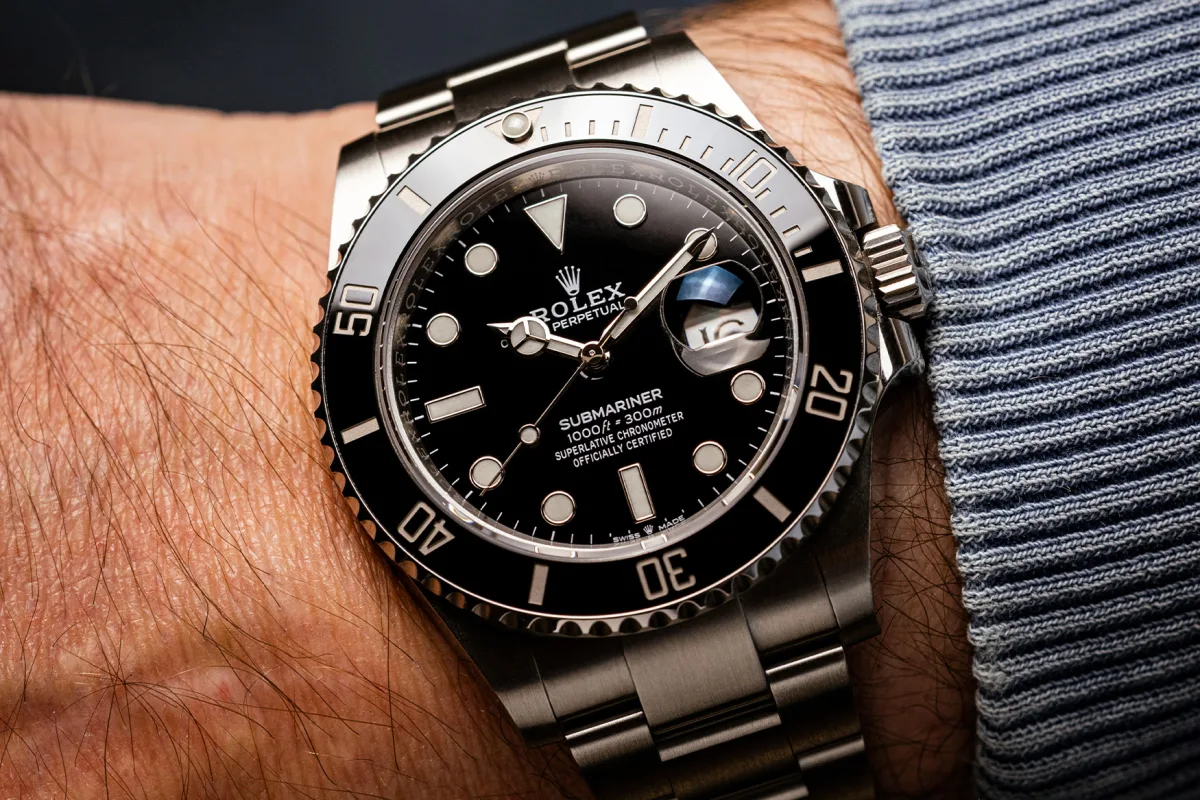
I rarely sell watches. I’m not a collector who constantly rotates models, treating them as commodities.
Usually, buying a watch is the result of long contemplation, and most often, the watches stay in my collection. However, circumstances change, interests shift, and sometimes one model begins to dominate while others lose their significance.
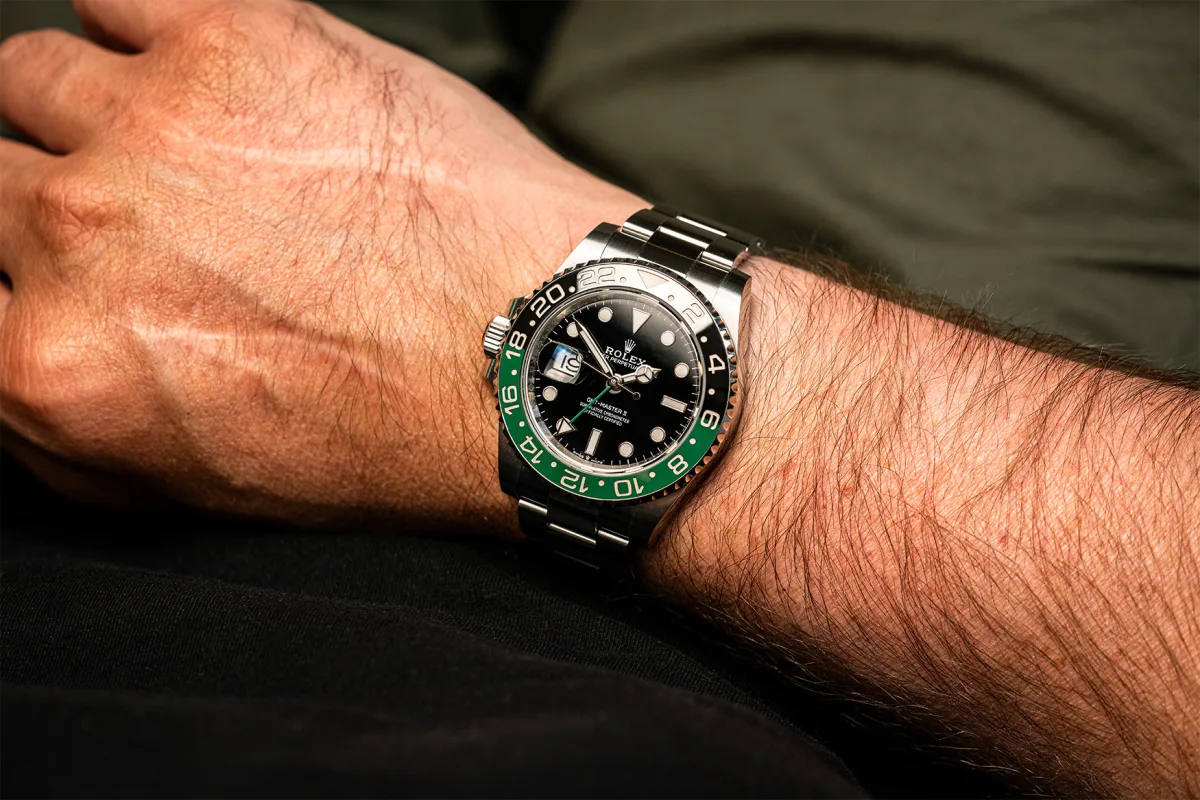
When I decided to part with my Rolex Submariner Date and soon after with the Rolex GMT-Master II, it didn’t mean I fell out of love with them. I simply understood that they deserved more time on my wrist than I could give them. Formally, the results of the deal look good: I sold the Submariner for exactly the same amount I bought it for in 2023 - essentially two-plus years of enjoyment cost me nothing. The GMT-Master II went for about 2,000 more than I paid for it, which by modern Rolex standards is quite a usual scenario.
Nevertheless, the selling process left me with an unpleasant feeling. Not because of the decision to part with the watches or the financial aspect, but because the moment you decide to sell, a fundamental shift occurs. An object that previously seemed personal and expressive turns into something much more transactional and measurable.
Modern Secondary Market: Price Over Story
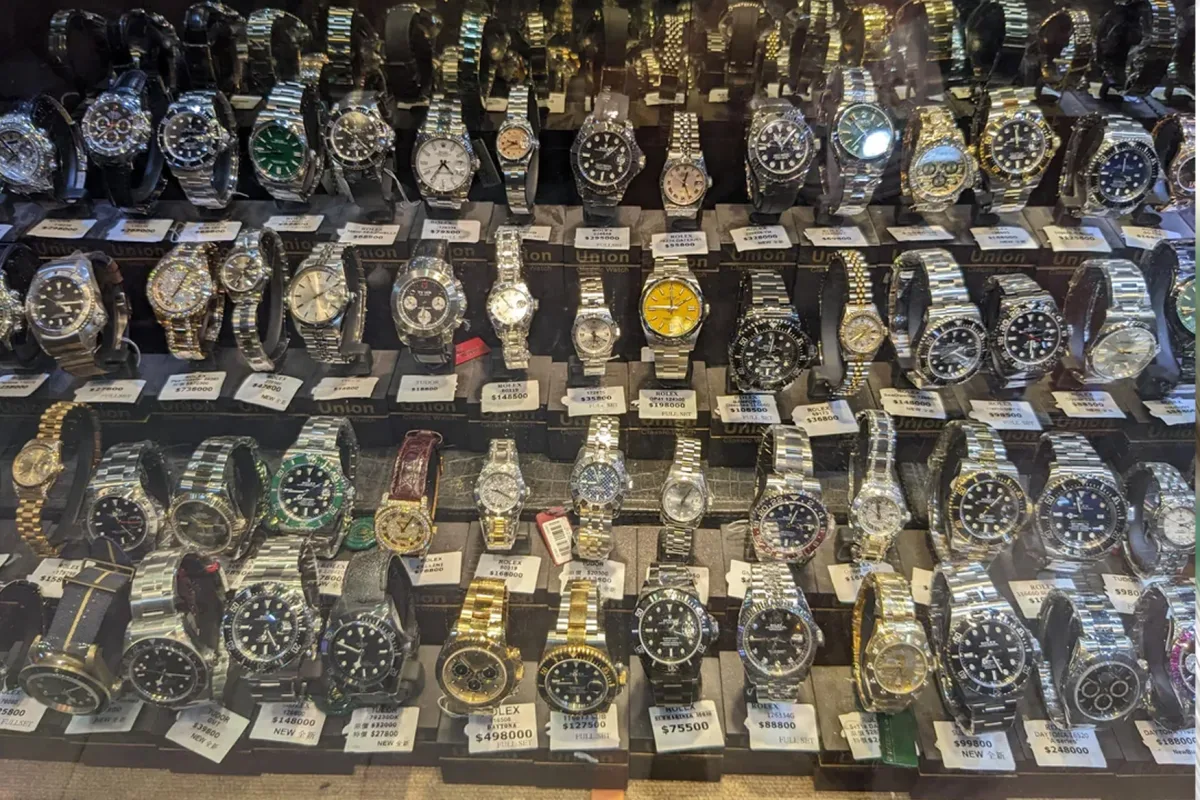
In today's secondary market, if you're not the cheapest and most reliable option, you are simply invisible. Contrary to popular belief about shortages at the retail level, in this segment, watches are not a rarity. The market is now overflowing with them, which means romance stands no chance against price.
The Market Doesn’t Care About Your Story
When buying a watch, history matters greatly. It's important what reference it was, the year of release, even subtle variations of the dial. You remember where you first saw the watch, the day of purchase, the conversation with the first person who noticed them, the feeling of looking at the watch on your wrist. If you are reading this, you understand what I mean. But the market instantly erases all of this.
Once listed for sale, your watch stops being yours. Now it's a "2023 model, full set, excellent condition," lying among twenty-seven similar ones in low resolution. Buyers sort by price, not sentiment, and the market is ruthlessly efficient.
Selling to a Dealer Now and Then
A few years ago, selling to a dealer was simpler. After an assessment, you negotiated the price in person, money was transferred, and the deal was considered closed. From that moment, the dealer took the risk, and the price difference was understandable - you paid for confidence and simplicity. Now many dealers have stopped buying watches directly. The standard practice is consignment: the watch remains with you, the dealer lists it and handles inquiries, and after the sale, receives a percentage.
On paper, it makes sense - cash flow is maintained and risk is reduced in a complex business environment. But for people like me, the lack of control over the process is problematic - when you decide to sell, you don't want it to drag on for weeks or months.
The Efficiency of Indifference
Fortunately, for those controlling the process, there are platforms where you can fully manage the sale, and overall it's quite convenient. But now you're not sitting across from a dealer in a cozy showroom, discussing condition and provenance over a cup of coffee. You find yourself on an open platform where participants are limited in vocabulary to the phrase "best offer?".
Bidding on eBay rarely ends in drama, but it comes with emotional swings: polite messages turn to being ignored, and offers are so low it feels like you accidentally uploaded a photo of your toothbrush. The platform isn’t toxic, it’s transparent, and you quickly realize that your listing is merely a commodity in the warehouse. If the price is inadequate, you'll find out very quickly.
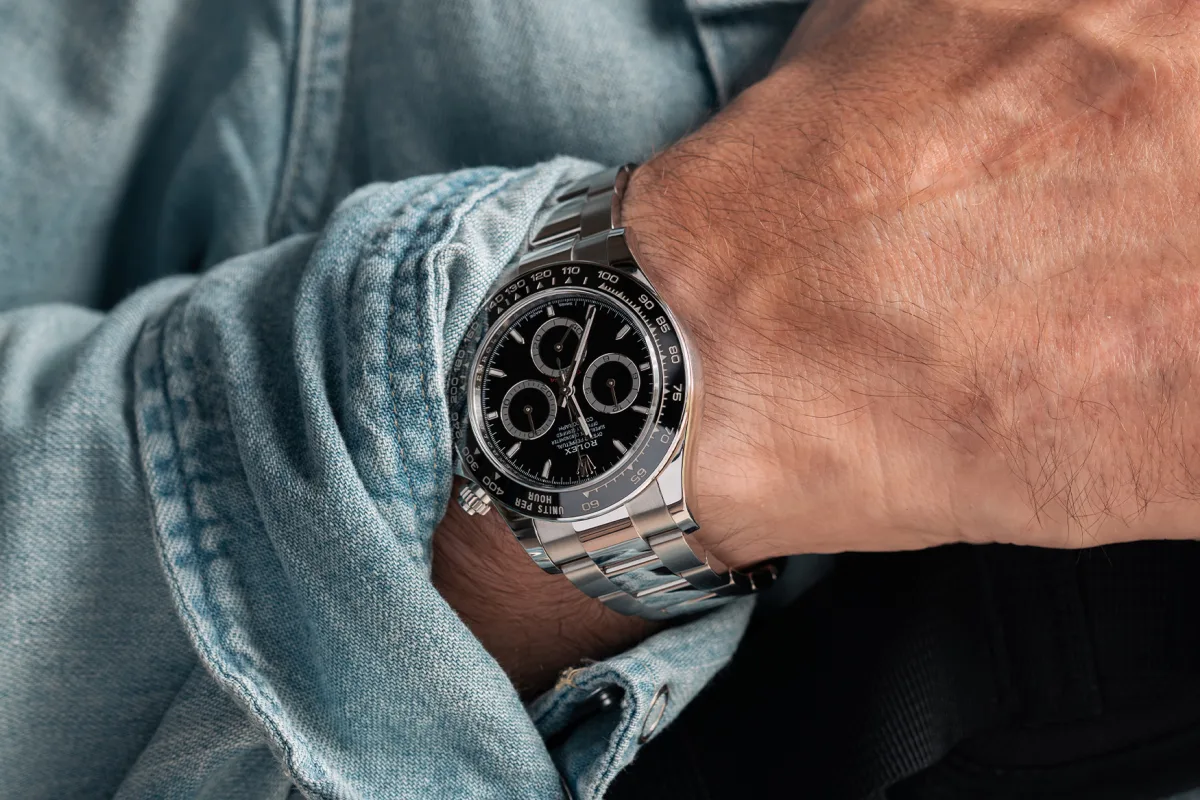
The secondary market, especially for modern Rolex sports models, is mature and saturated; the choice is vast. This makes one accept a simple truth: "value" is not what you think about your watch, but how much someone is willing to pay right now, in a market where identical models are available with a single click. The most unpleasant part is facing indifference because you're not selling the watch to someone who understands the nuances and appreciates features, like a left-handed GMT-Master II.
From Collector to Seller
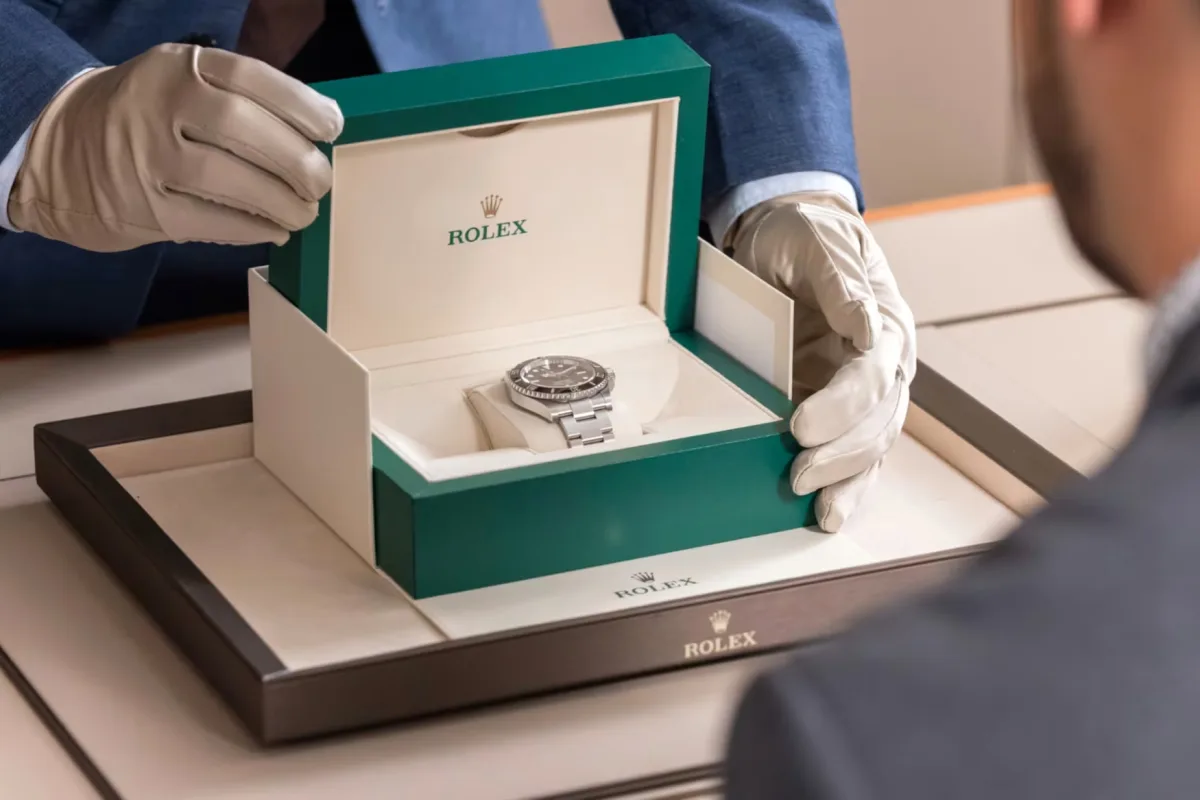
This realization is staggering. You no longer look at the watch on your wrist but see it on the screen. At first, you protect its value, believing you’ll sell at your desired price. But when silence begins, and you check competitors daily, confidence starts to crumble. You notice who lowered their price by 100 pounds, see similar models disappear, and wonder at what price they sold. Eventually, you lower your price to stay competitive, and that's the first step when everything becomes clear.
Until then, you are a collector selling a watch. Afterwards, you're a seller fighting for attention. For me, the turning point was realizing that defending the sentiment around the watch is pointless. You need to defend the numbers, and that’s what causes internal discomfort. Not because the market is unfair or ugly, but because I had to become part of it. It makes you doubt whether your original feelings and dreams were real. It’s a hard realization.
Consequences
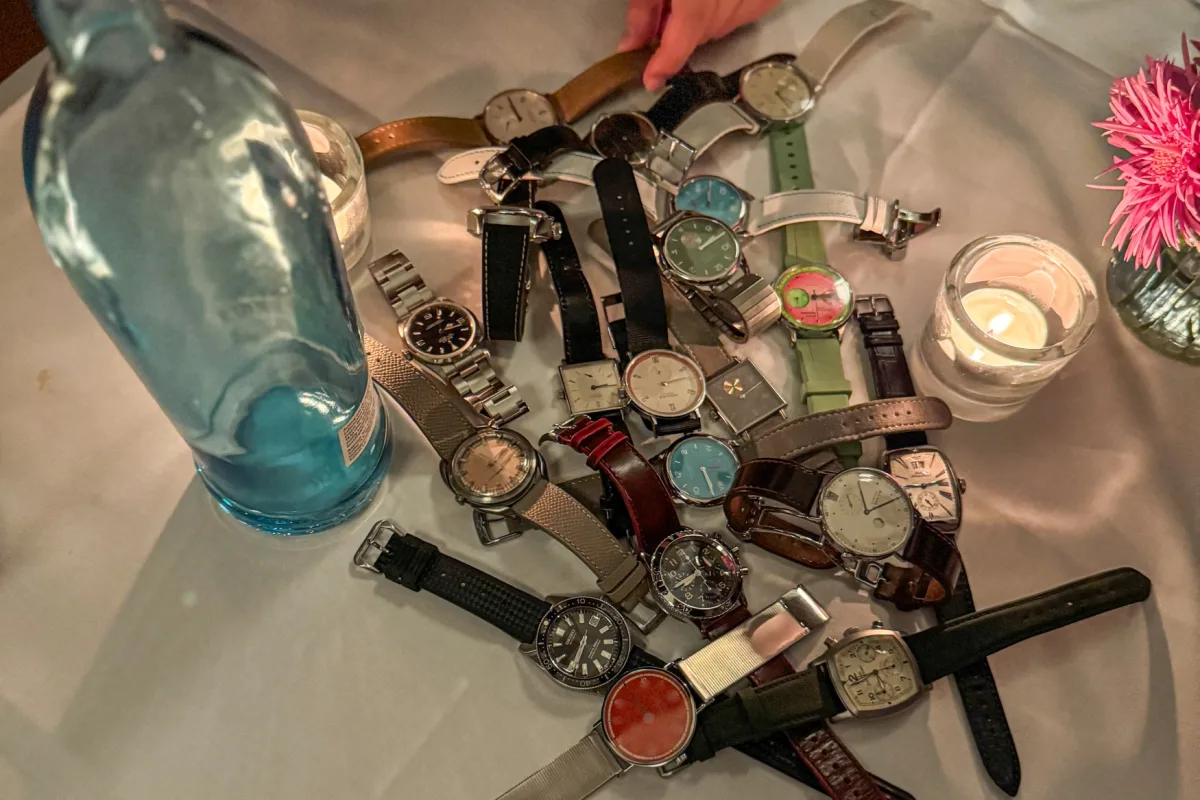
In 2026, the market looks very different from what it was a few years ago. Dealers no longer hunt for stock, and it’s definitely a buyer’s market, not a seller’s. Prices have adjusted after the post-pandemic boom, and with the growth of retail availability, secondary demand has weakened.
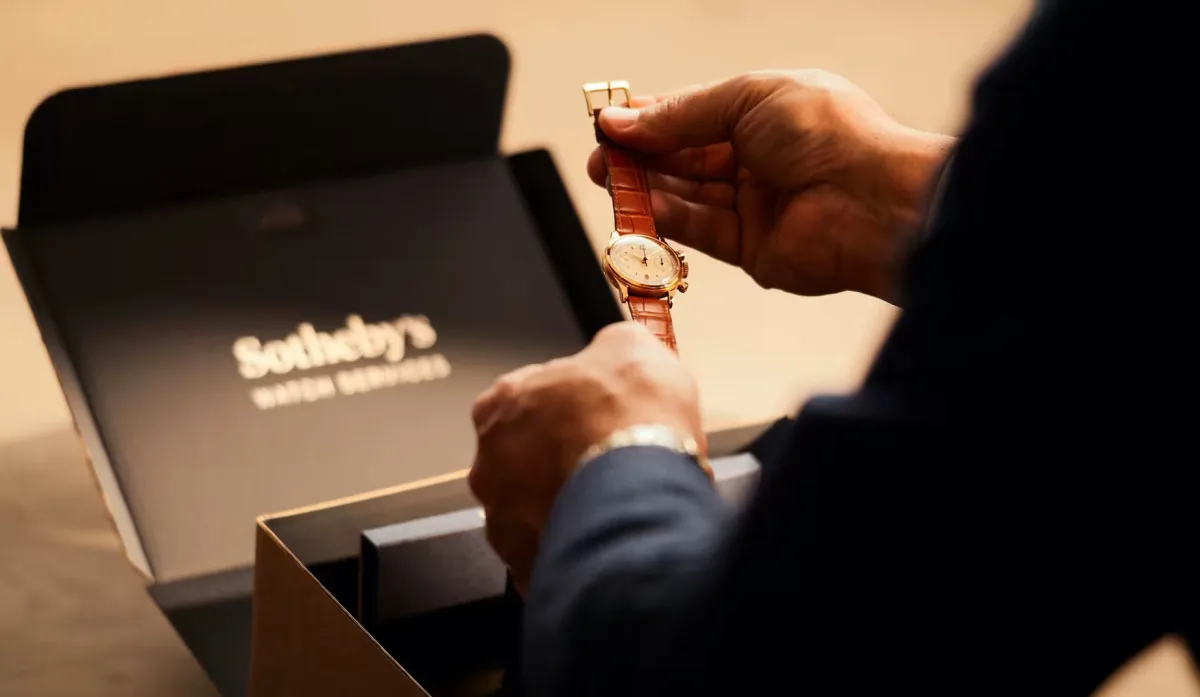
This doesn’t mean that interest in Rolex has disappeared - you still can’t just walk into an official dealer and leave with a Pepsi model on your wrist. But the rush is gone, and this has noticeably changed the behavior of the secondary market.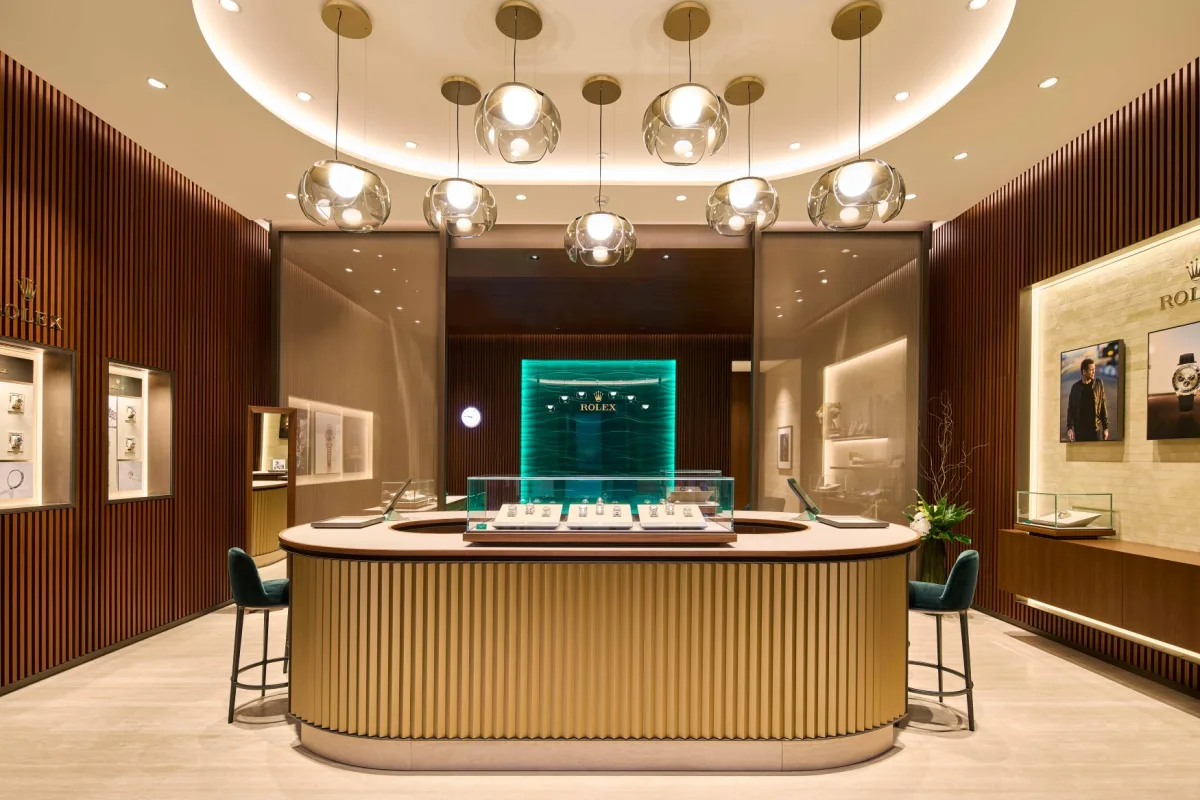
The speculative interest in modern steel sports models has also weakened. Watches were often confidently and casually called "investments". Now, this is less common, and it’s probably for the better. Yes, you can argue that some references retain value, but maintaining value is not the same as guaranteed profit, and liquidity is not equal to growth.
As in the real estate market, value growth is usually gradual rather than explosive, except for rare anomalies. The era when you could buy a modern GMT-Master II and sell it for multiple profits seems distant. I don't think we'll see a ceramic Submariner with six-figure price tags on the "Antiques Roadshow" anytime in the next few decades.
Final Thoughts
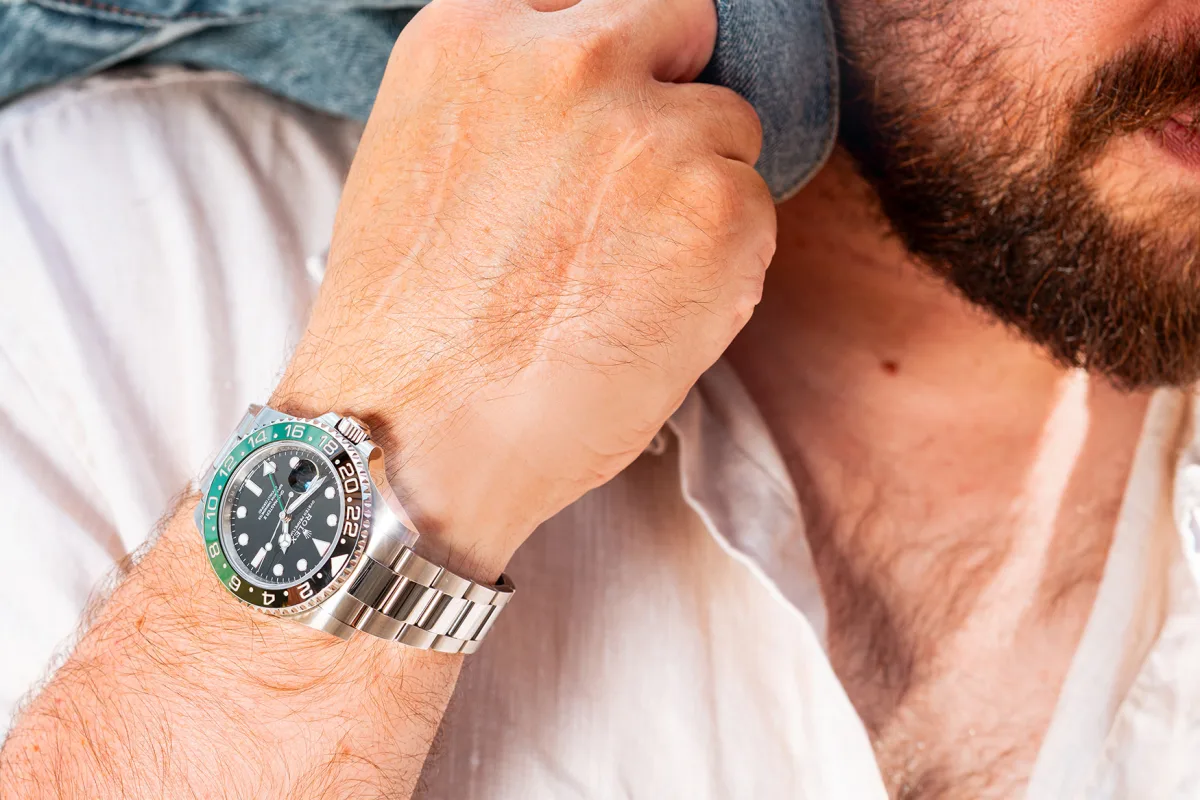
I realized that the discomfort was not in the market itself, but in the realization of the need to adapt to it. From the moment the listing was published, my perception changed: I started refreshing pages, doubting due to the lack of responses, and so on. I had to distance myself from watches to which I still felt genuine affection, and this affected the entire experience. It showed how thin the line between value and appraisal is - at this moment, appraisal dominates, and value takes a back seat.
The watches are already sold, and now I feel fine. I enjoyed them, and that won’t change because of how the sale went. It won’t affect my feelings towards the rest of the watches in my collection, because sometimes simplification is good. But the next time I justify a purchase with words about liquidity or resilience, I will recognize an attempt to give numbers a romantic hue. However, I remember that sooner or later, numbers and romance will collide, and only one of them will yield in this collision.